The reviews embargo lifted yesterday on XREAL AURA XR glasses powered by Google Android XR and Qualcomm Snapdragon silicon. I have been testing them for a week, and additional analysis will be published later at Techsponential. Still, I have had them long enough to conclude that while XREAL AURA isn’t the final form for XR, this is the best platform so far.
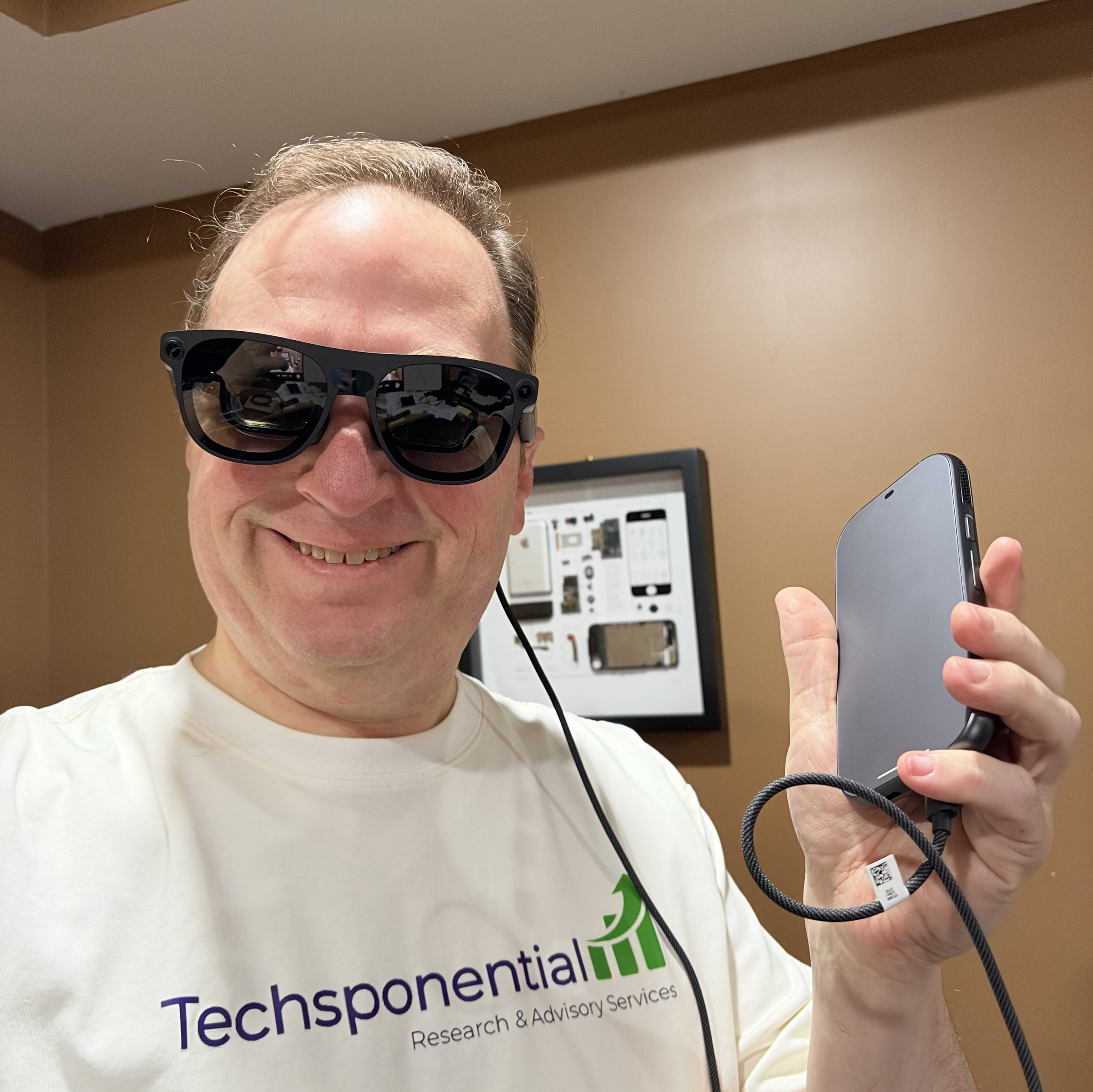
XREAL AURA is a pair of $1100 glasses you can see through that display digital information in most of your field of view (about 70 degrees). The glasses are tethered to a battery/fan/compute puck that can be worn on an included lanyard or belt clip; the puck’s surface acts as a touchpad. Like Samsung’s Galaxy XR and its upcoming Intelligent Eyewear, XREAL AURA is built on Google’s flexible Android XR platform and includes Gemini as an interface option and AI assistant that understands context from the AURA’s camera. Similarly, XREAL AURA can run most Android 2D apps in a virtual window in addition to dedicated Android XR apps. These are full AR glasses, and XREAL AURA can map your room surfaces and place digital objects on them — when the app has been built to do so.
There are more things that you can do with XREAL AURA than Meta Ray-Ban Display or Snap’s SPECS because Android XR leverages the extensive Android 2D library and Google’s Gemini for navigation, AI assistance, and integration with other Google products and services. However, the real potential for AR apps requires, well, AR apps. Those mostly don’t exist yet.
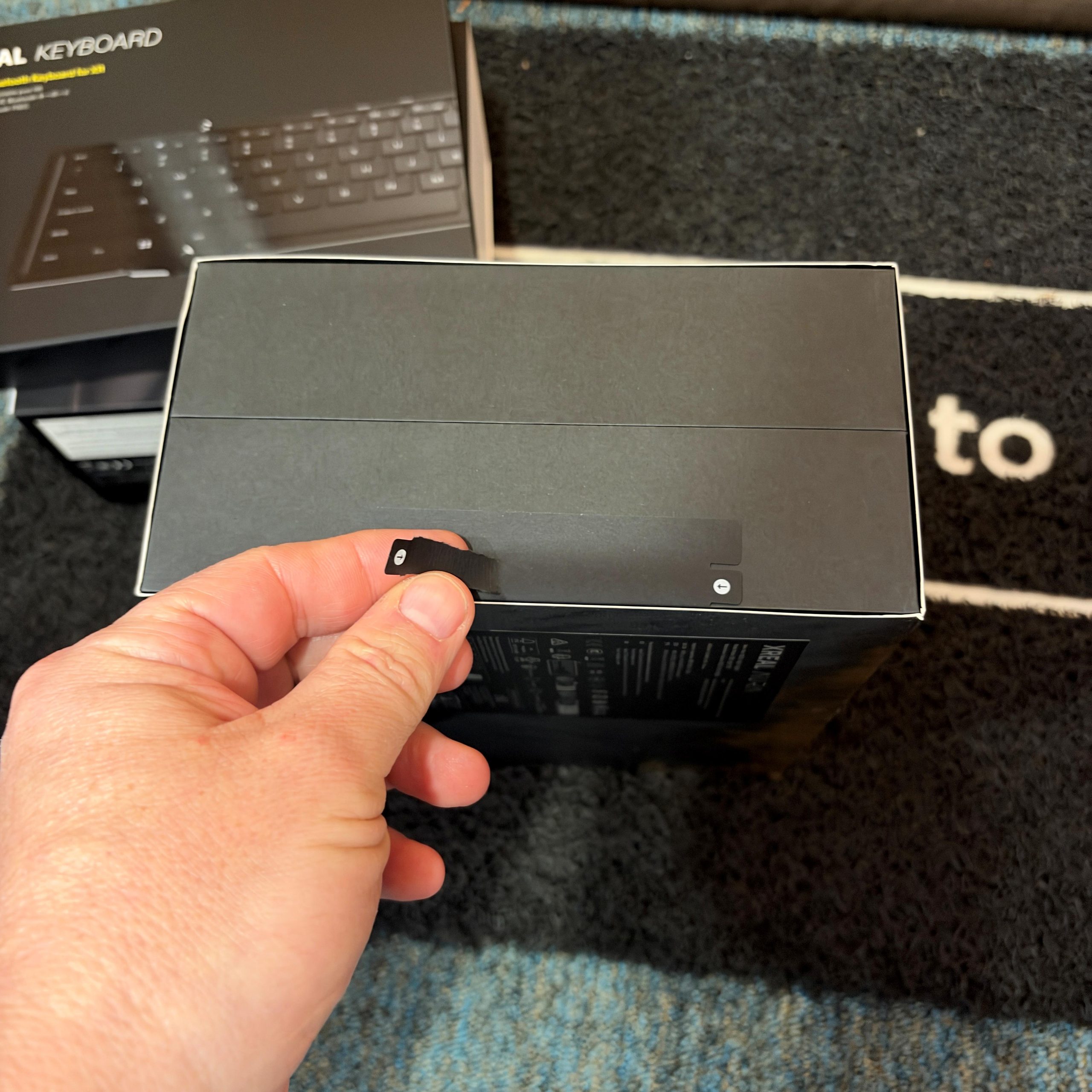
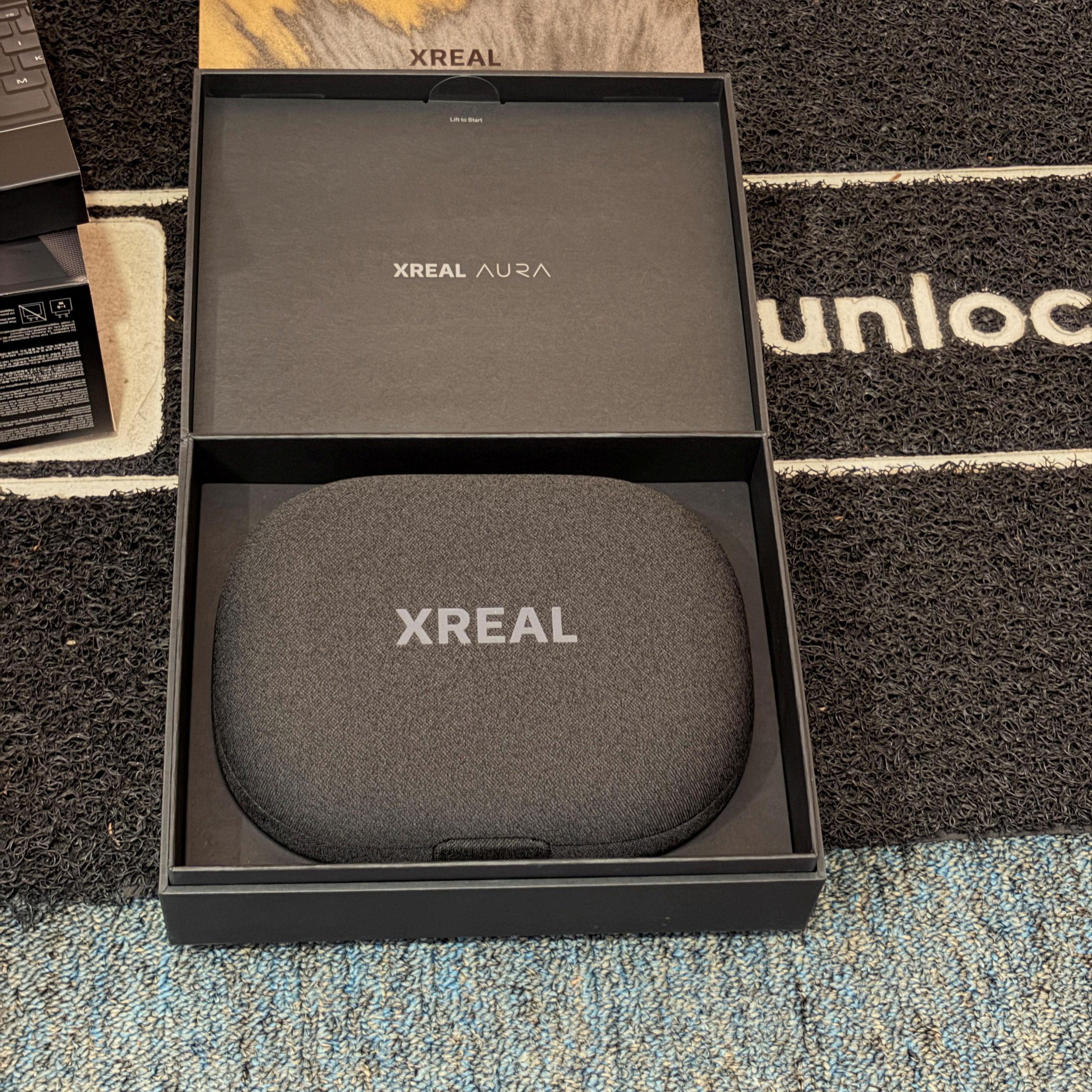
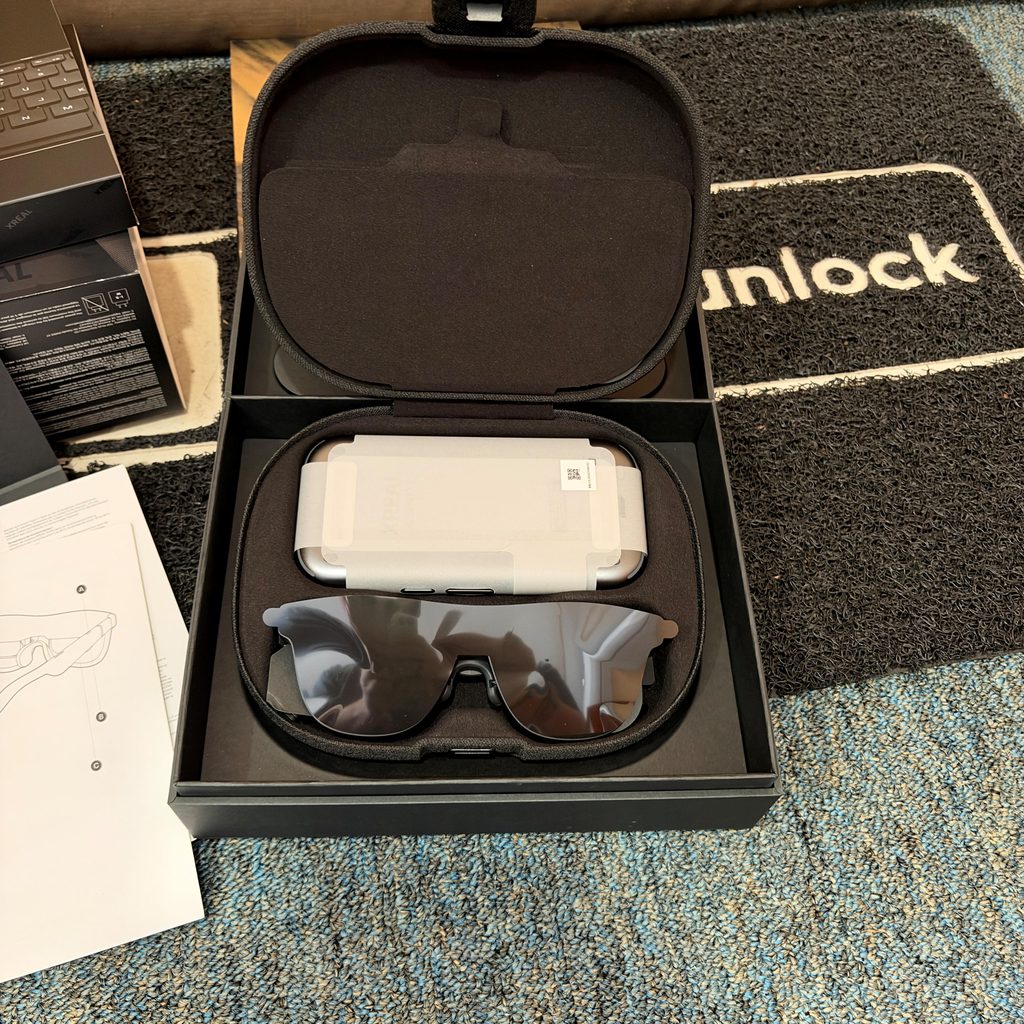
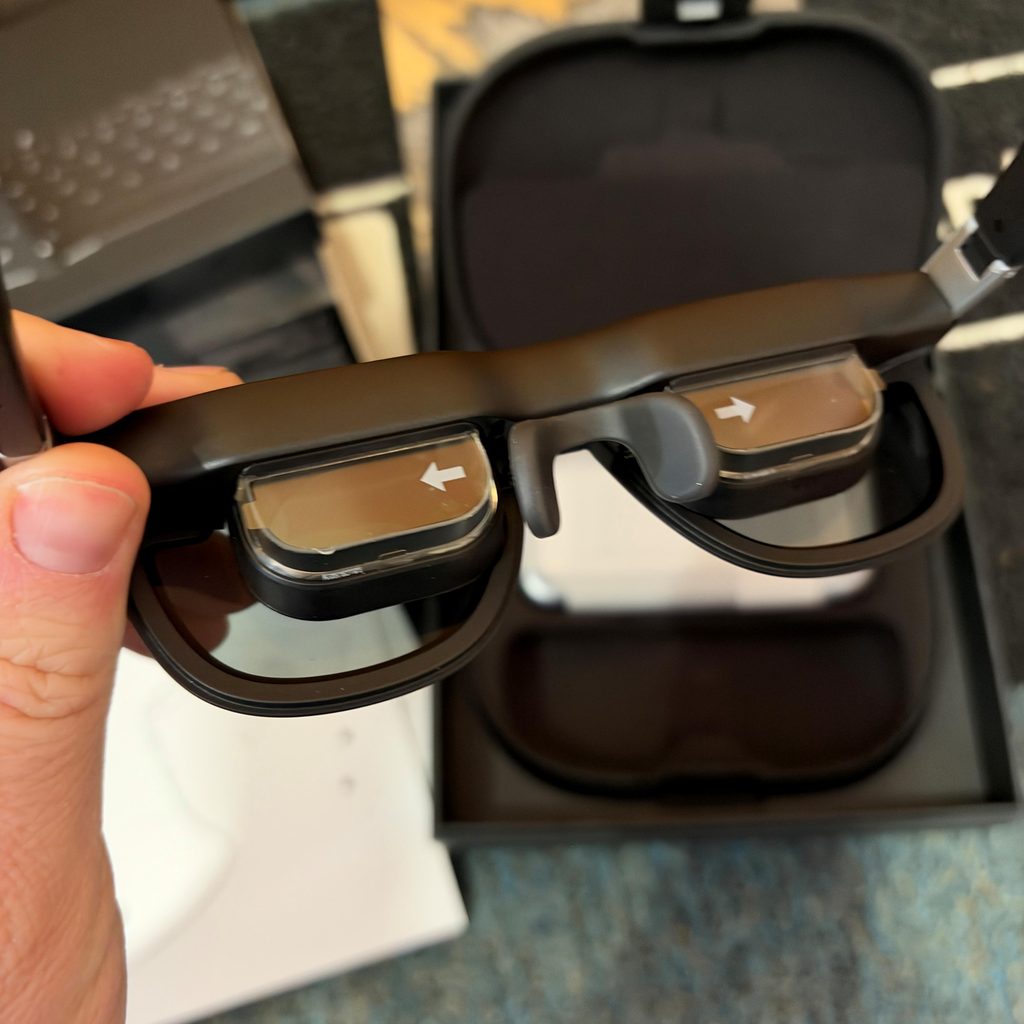
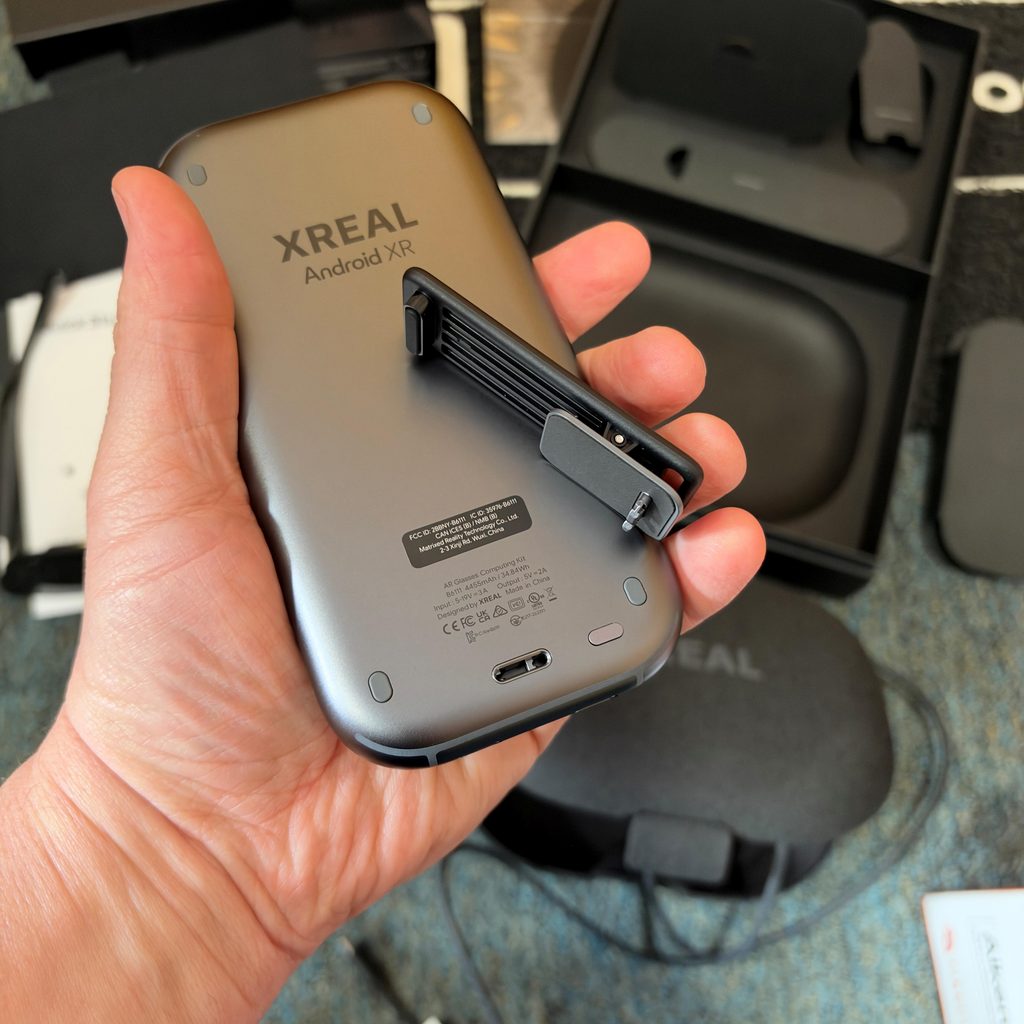
The primary way you navigate Android XR on the XREAL AURA is with hand tracking, but it can get tiring quickly. Apple Vision Pro and next year’s Meta VR Glasses use eye tracking for cursor placement and additional wide-angle cameras for detecting gestures down by your side. To save money, weight, and complexity, XREAL just uses front facing cameras for room mapping and hand tracking. It works, but it’s not ideal.
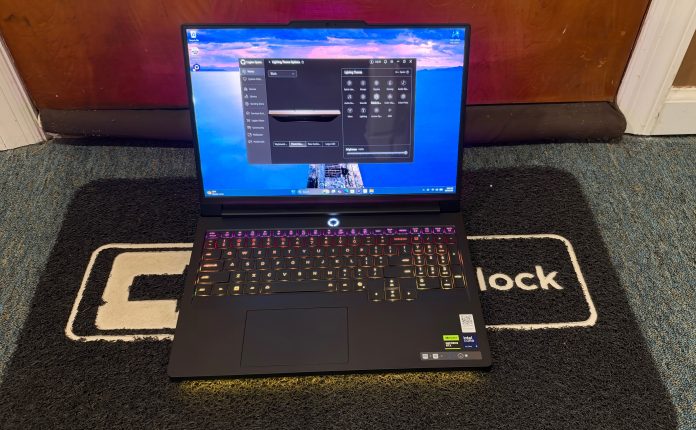
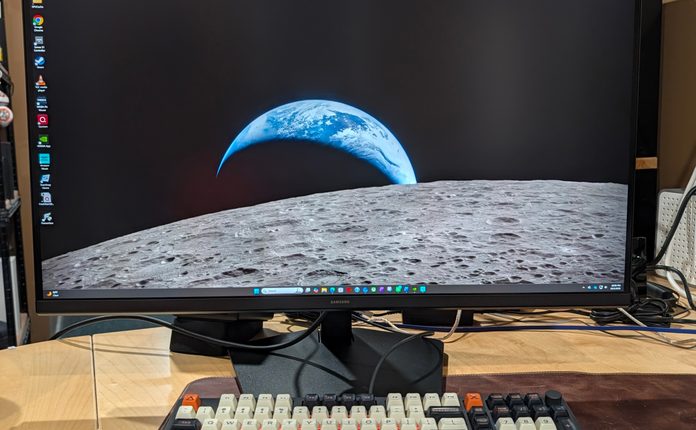
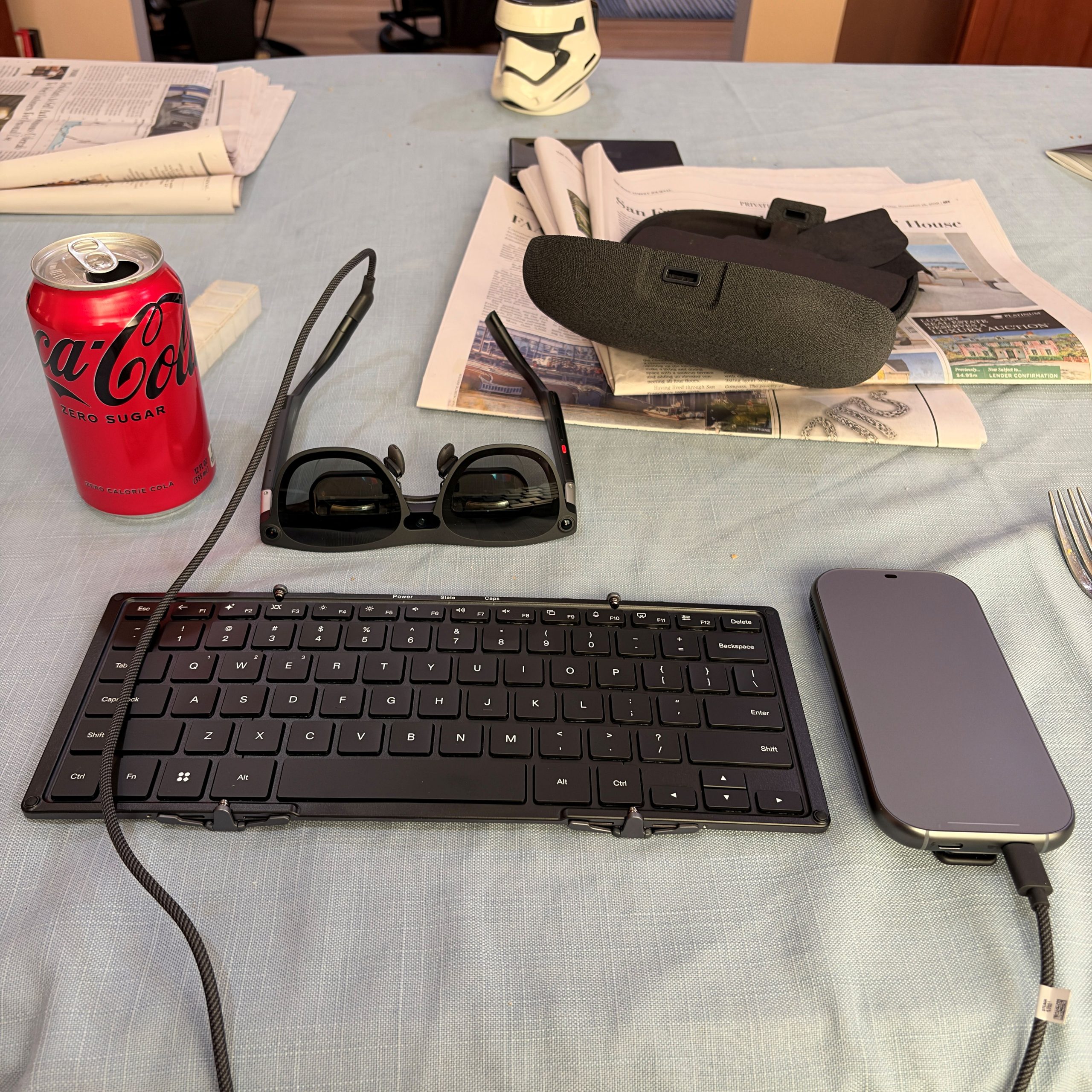
AURA are the best display glasses that XREAL has ever made — and the company already led that category. You can connect it to your PC or phone for private large screen viewing with a fairly wide field of view. Because the XREAL AURA has its own power and compute, you don’t need the phone; just stream directly to the AURA over Wi-Fi or watch anything you’ve downloaded. The Snapdragon Reality Elite has enough compute capability that AURA can also be used as a self-contained productivity system without a laptop — just pair it with a portable keyboard and use gestures or the compute puck as your mouse. (I strongly endorse the puck-as-mouse option to prevent strain on your shoulder and elbow trying to make precise gestures in space.) The AURA’s prism lenses and Sony micro-OLED displays have just enough resolution (1920×1200 pixels per eye) and optical see-through for working on a text document and you can work while eating (try doing that in VR and camera pass-through). The electrochromic glass can be dimmed by pressing a button for more immersive viewing.
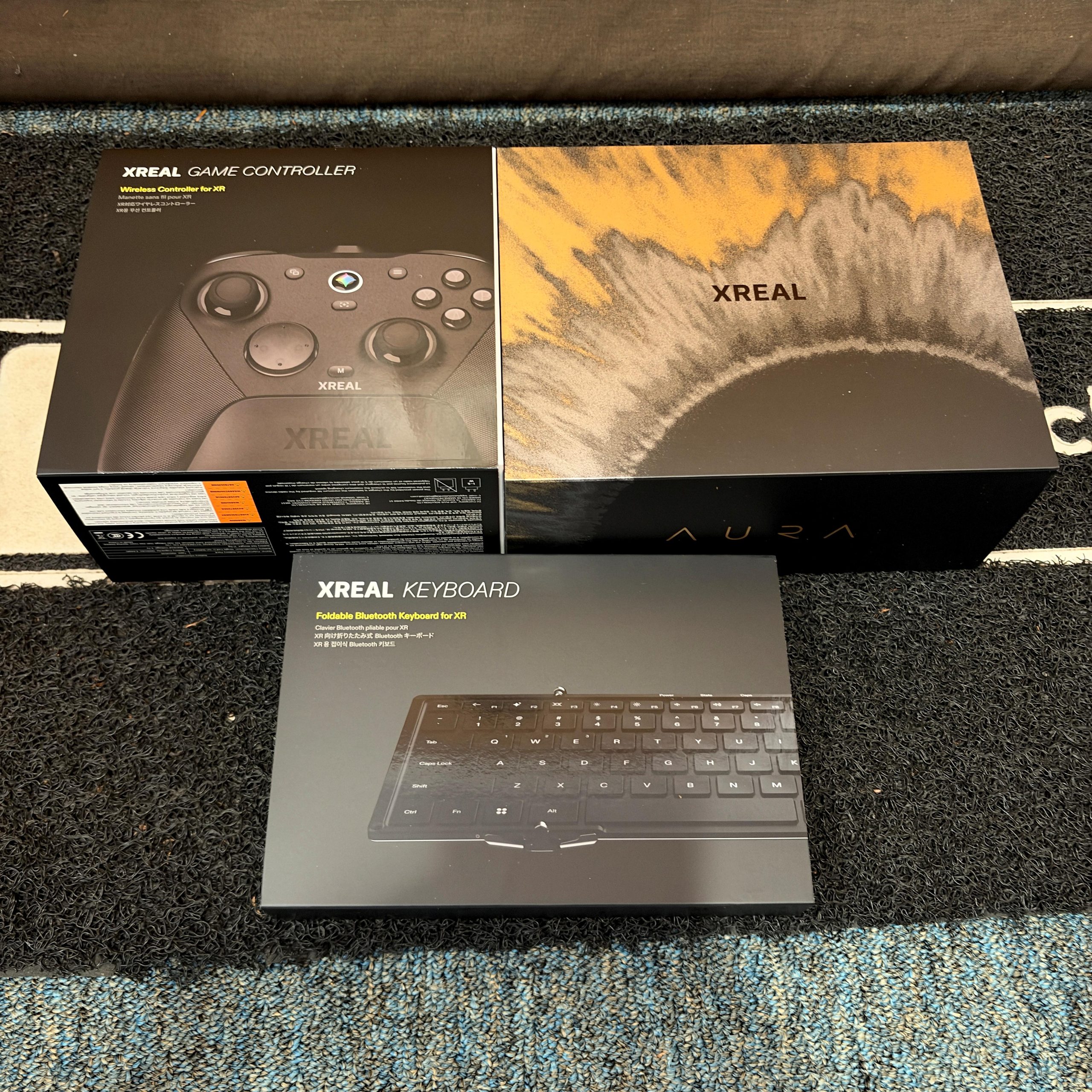
XREAL offers a white label keyboard that folds into itself that I quite liked; I’ve seen this design before, but XREAL added a few Android-specific keys. I also tried XREAL AURA with Logitech’s Keys-to-Go 2, which is my standard portable keyboard. The Logitech is longer, thinner, and a bit more portable overall but I was more accurate on the XREAL’s larger keys and layout. XREAL also sent a Bluetooth game controller, and I’ve downloaded several Android games to use with it.
The real challenge to productivity on the XREAL AURA is not the field of view (it’s big enough) or resolution (acceptable for text work, even if not overly sharp) but the limitations of Android apps. All the problems that Google has with Googlebook are present here because Android apps were designed for lightweight use cases on tablets.
Conclusion
XREAL AURA is useful today for entertainment and basic productivity on a huge virtual display that doesn’t shut you off from the real world. The case is compact enough to take on an economy flight, put it on, and transcend your environment. However, they are still use case -based glasses, not wear-all-day glasses like Ray-Ban Meta Smart Glasses or Even Realities G2. Eventually we’ll have a single product with all the characteristics of Tony Stark’s EDITH: lightweight display glasses that have no prism or birdbath lenses intruding on your field of view; integrated compute without a tether; efficiency so great that a tethered battery pack will only be optional; iris tracking and wide cameras around the edges to capture gestures anywhere; a huge library of entertainment and full-strength productivity apps; dedicated AR apps that take full advantage of the ability to merge the physical and digital worlds; and a price point comparable to smartphones. XREAL AURA is not sci-fi; it’s a real product shipping product today with limitations, but also strong wearability, portability, and ecosystem compatibility at a reasonable price.
Disclosures: Google sent the XREAL AURA unit and accessories for review but Devices View does not accept paid posts, does not participate in affiliate link programs, and neither Google nor XREAL had editorial control over this article. Google is not a Techsponential advisory client. XREAL has contracted with Techsponential on small projects in the past.