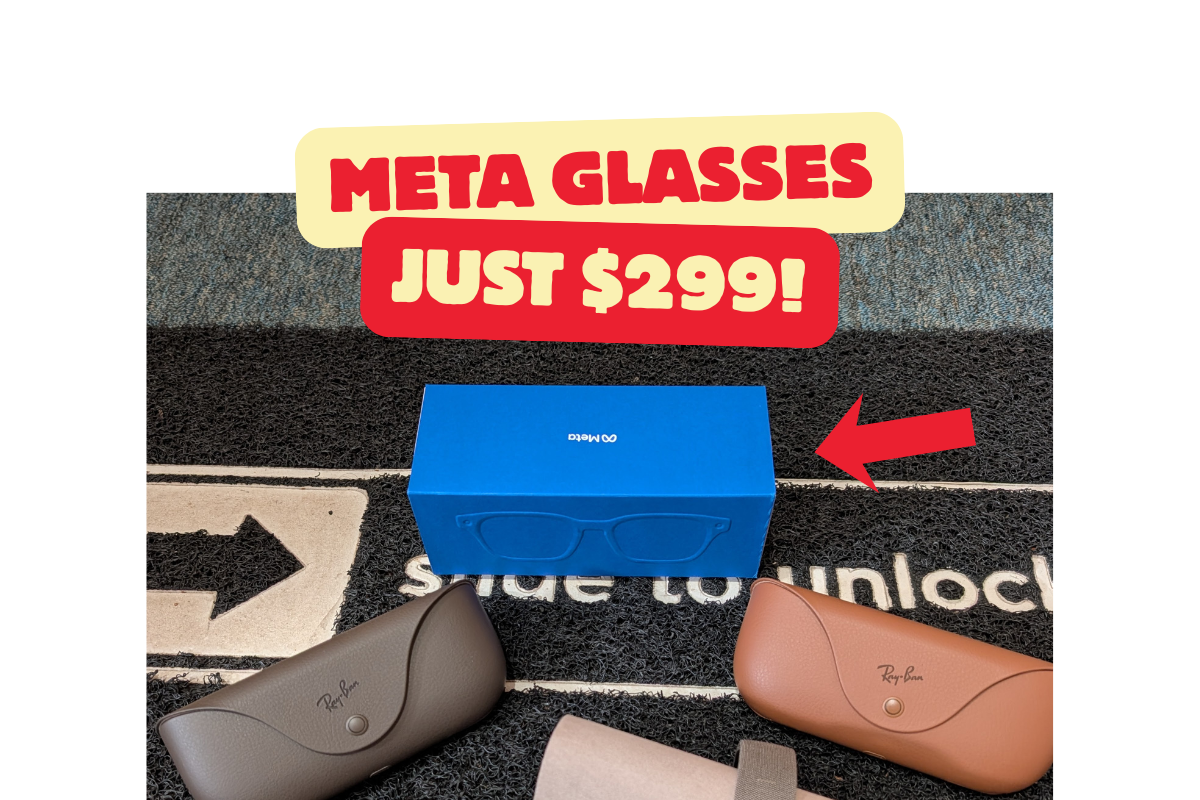
Meta chose to launch its new mainstream glasses just in time for summer sunglass season and ahead of competition from Google and its partners. I attended Meta’s event where we got to sample the three new styles, see multiple color options, and test the new Muse Spark AI model that is shipping alongside the new glasses. Two of those things went better than the other. (The AI demos mostly failed, but I expect they’ll work better in real life.)
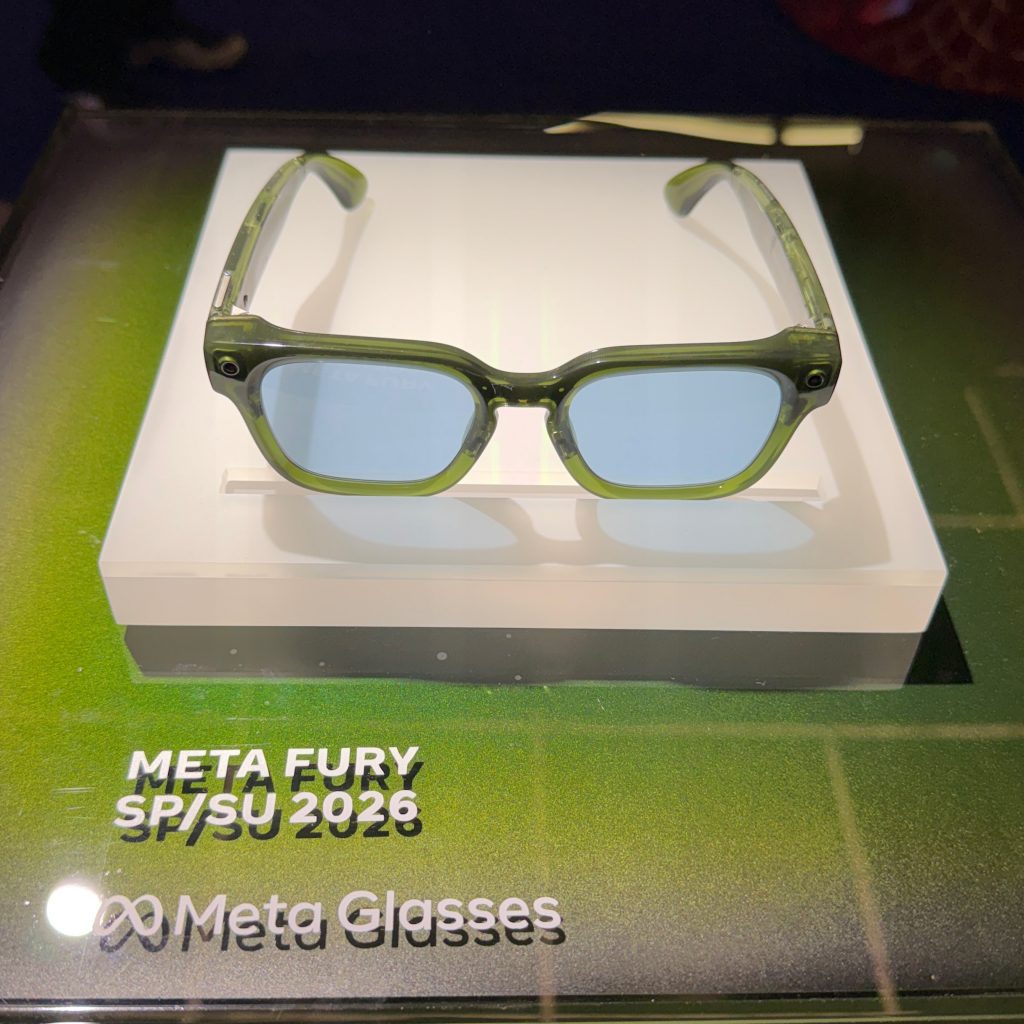
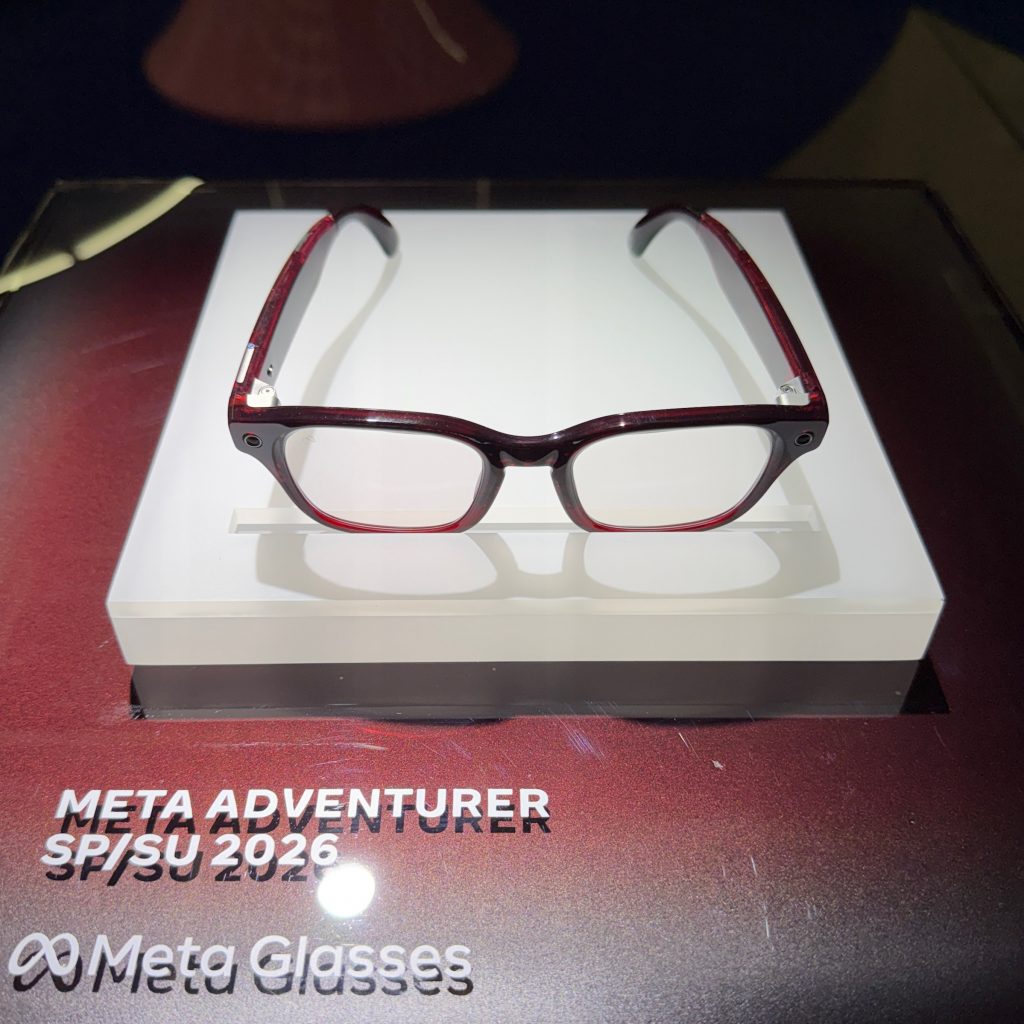
The three styles were designed and manufactured by Essilor-Luxottica and will be sold in Essilor-Luxottica retail outlets like Lenscrafters and Sunglass Hut alongside Best Buy, Amazon, and Meta.com. There is no rift between Meta and its key eyewear/retail partner, but Essilor-Luxottica wants to maintain a brand premium for Ray-Ban and Oakley, and Meta wants to sell as many smart glasses as possible. My Meta Adventurer review unit has a similar silhouette to the Ray-Ban Meta Wayfarers but the latter start at $380 and go up from there, while the Adventurer starts at $300. There are also far more color and finish options for the frames – 26 variations in all – although only the Meta Adventurer comes in both medium and large sizes; the Meta Fury is essentially medium, while Meta Glasses by Kylie are on the smaller side.
“Kylie” refers to Kylie Jenner, and her involvement and a more complex color options raise the price on that model. This appears to be a fashion collaboration done right: Kyle had input into some of the features of the cats eye style glasses: the nose pads are metal for better interaction with makeup, there’s a tiny jewel on one end of the frame, and the case includes a makeup mirror. The AI voice you hear in the glasses is based on Kylie’s actual voice.
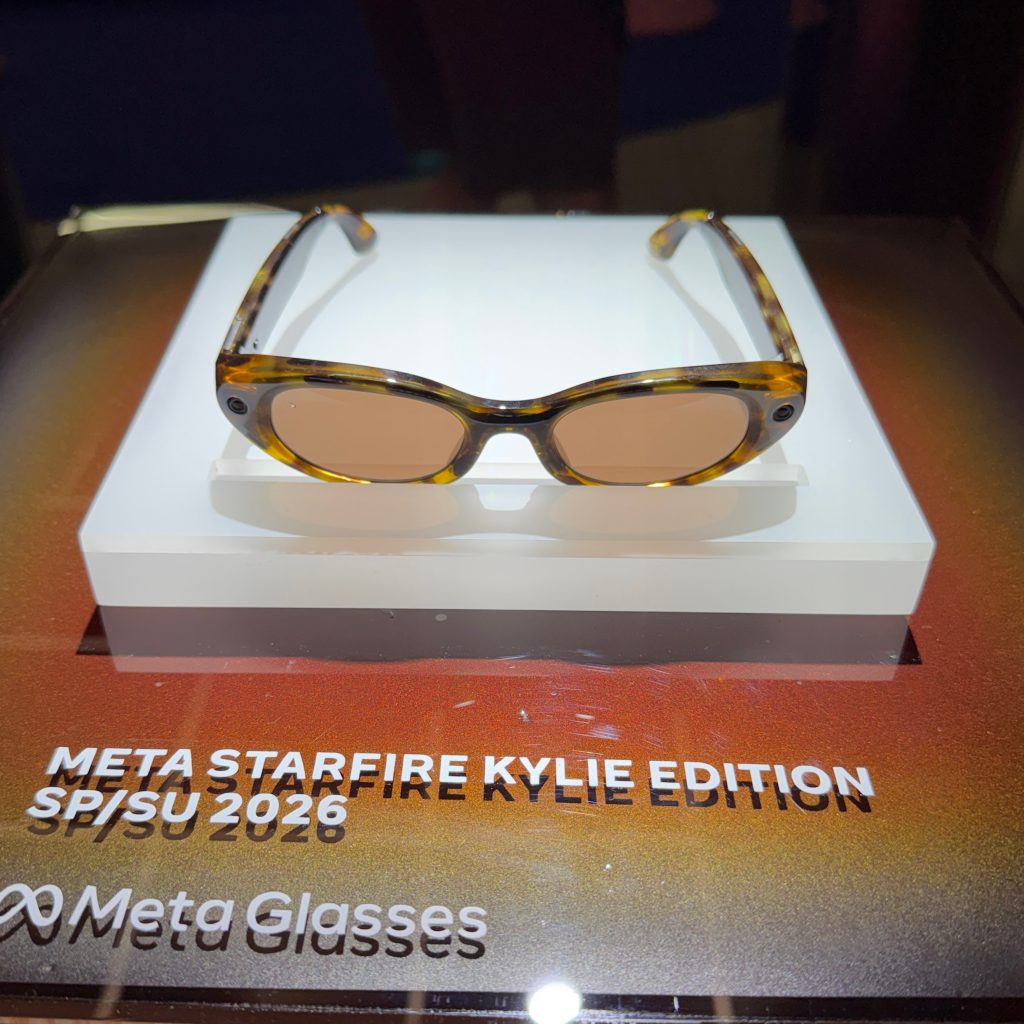
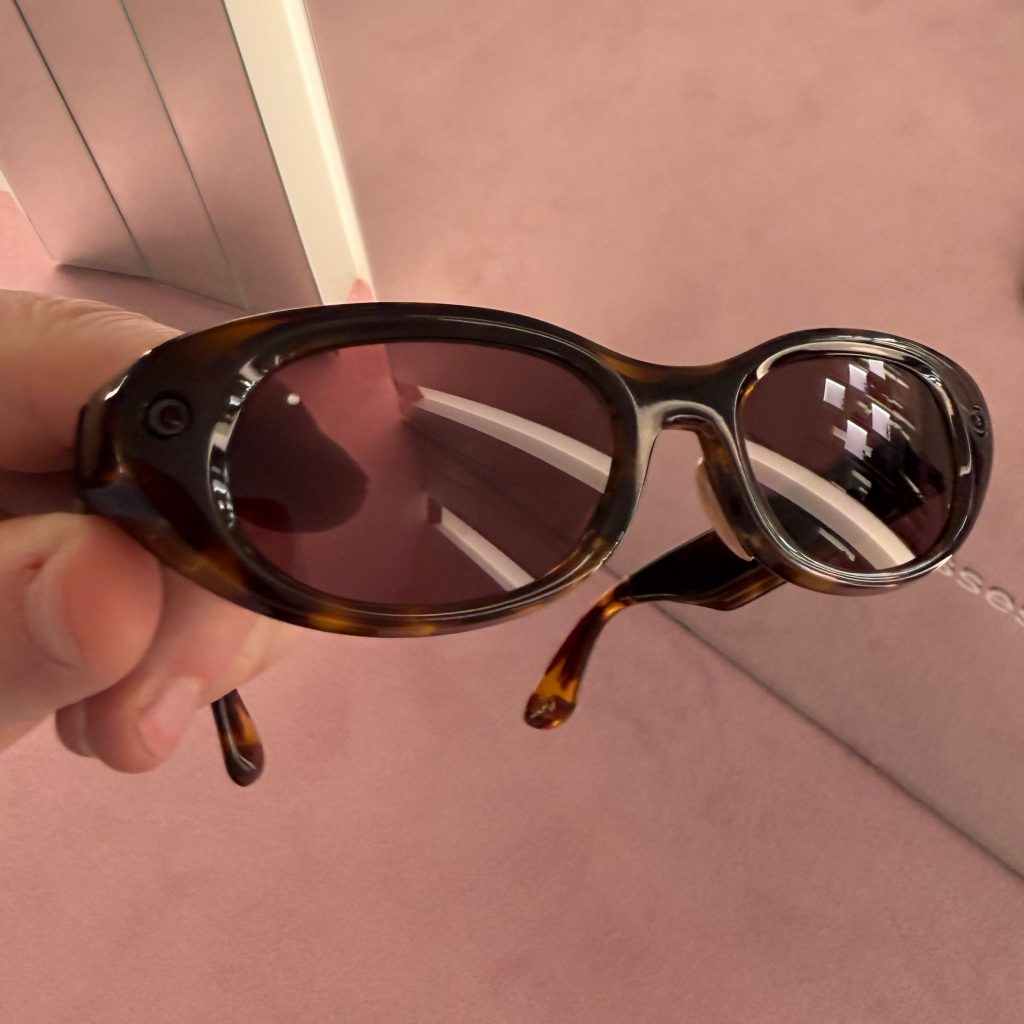
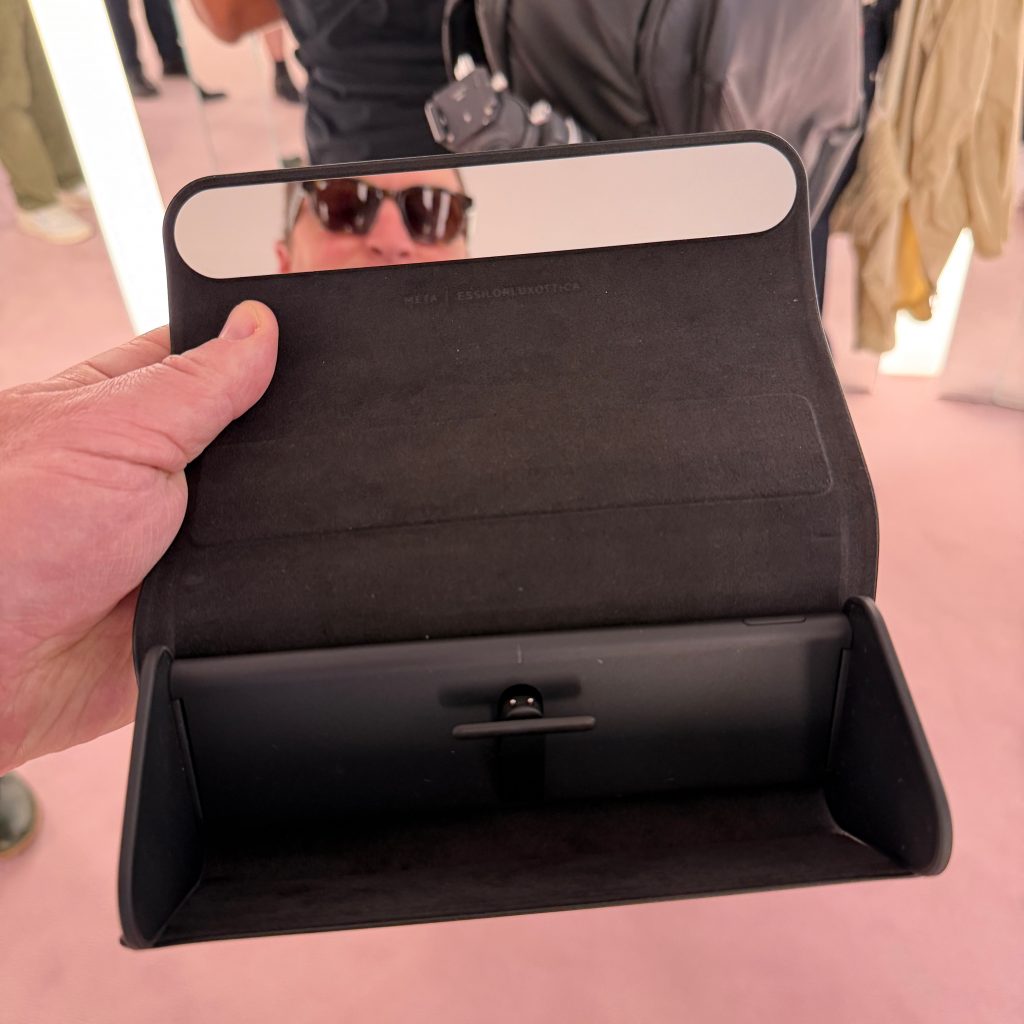
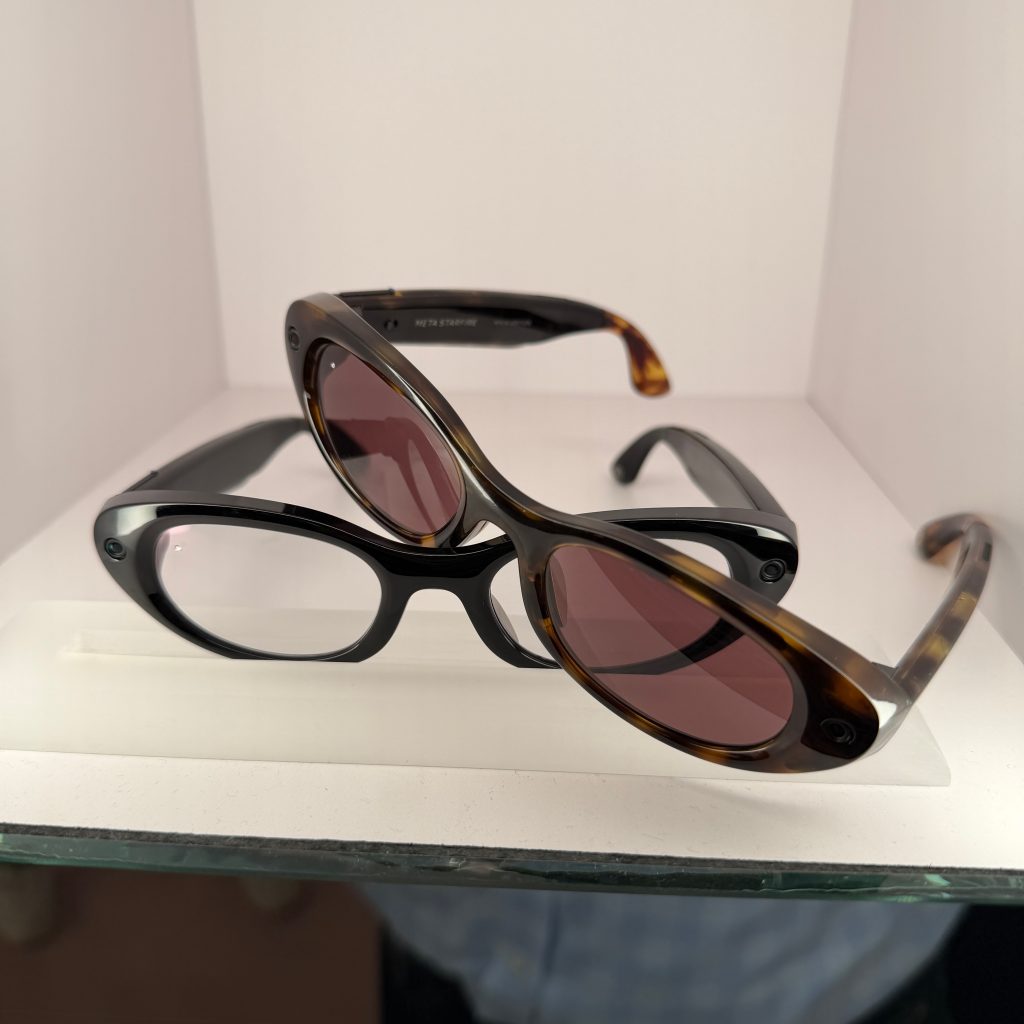
While the new Meta-branded glasses are less expensive than the Ray-Ban models, Meta didn’t cut anything out to hit friendlier price points. In some ways, they are better than the more expensive Ray-Ban Meta versions. Camera and battery specs are identical, but the Meta-branded models have collapsible charging cases similar to the Meta Ray-Ban Display, adjustable nose bridges (using a similar-but-different from Ray-Ban Meta Optics), and bendable rear temples.
They weigh just a bit less, though prescription lenses may account for some of the difference. The Gen 2 Ray-Ban Meta Wayfarer with my Rx weigh 55g. The new Meta Adventurer is 53g with clear lenses.
You can do all the same things: take hands-free photos and videos from a first-person perspective, ask Meta to play music or podcasts, ask informational AI questions, ask Meta to use the camera for information about whatever you’re looking at — including translating text — and taking phone calls on the excellent mic, which is located in the frame just above your mouth.
The prescription range on the new Meta glasses is fairly wide: -12 to +2.25 and bifocals and progressive lens options should be supported*. Lenses can be added at purchase at some retailers or afterwards by many optometrists and any Lenscrafters; adding lenses after purchase explicitly does not void the warranty.
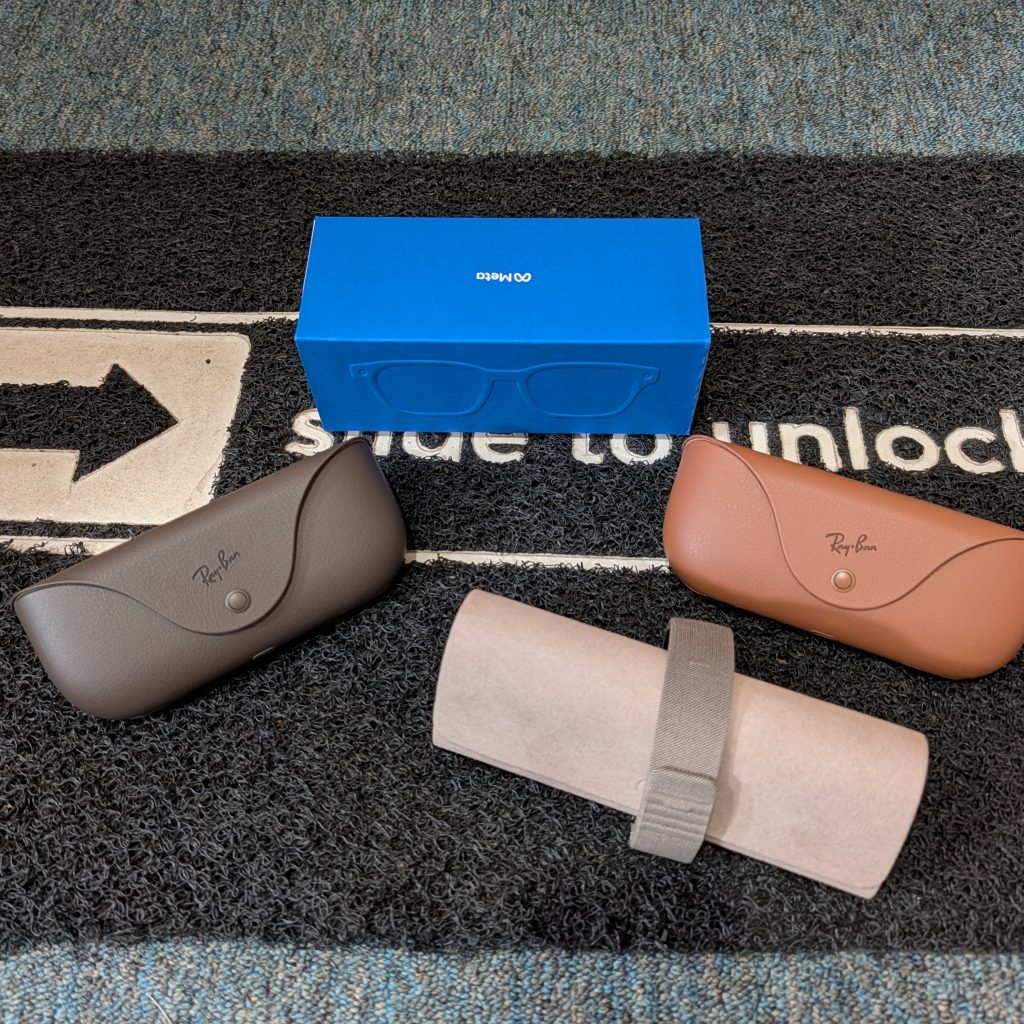
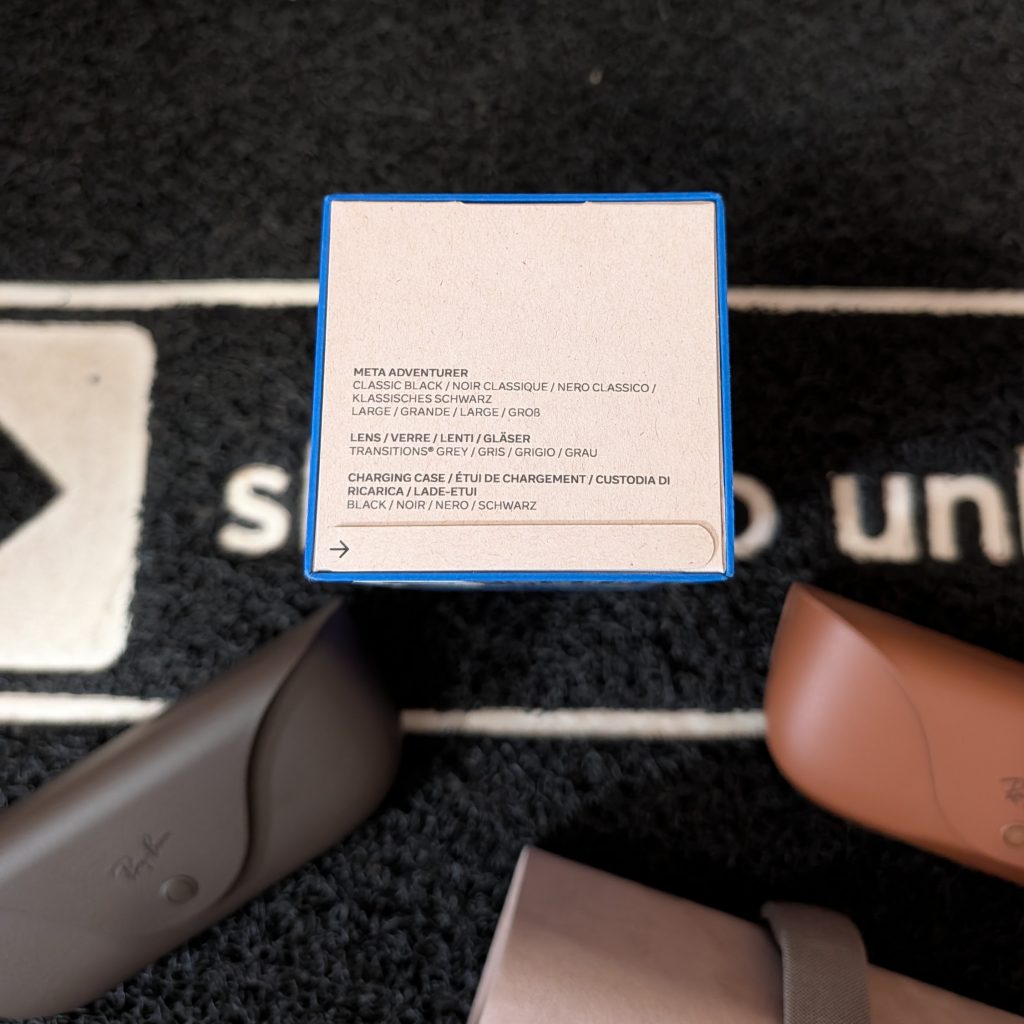
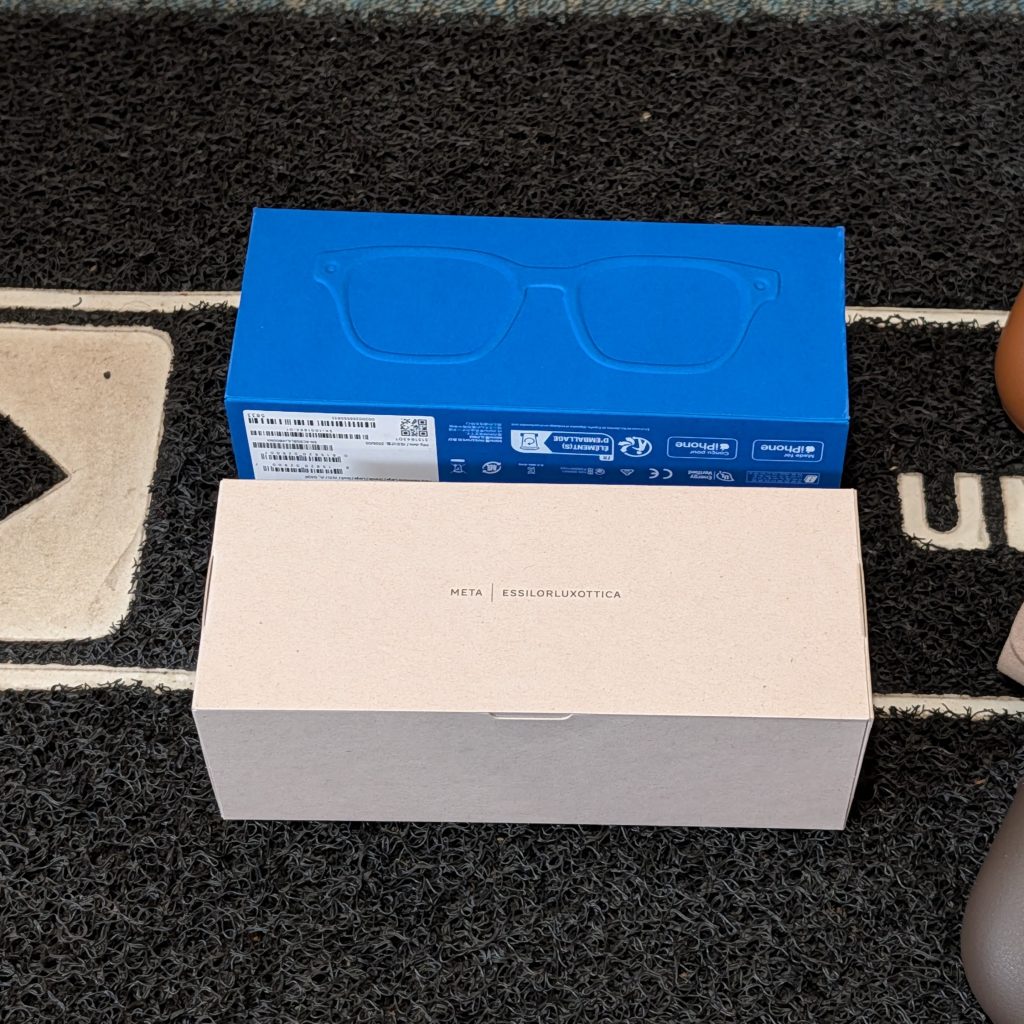
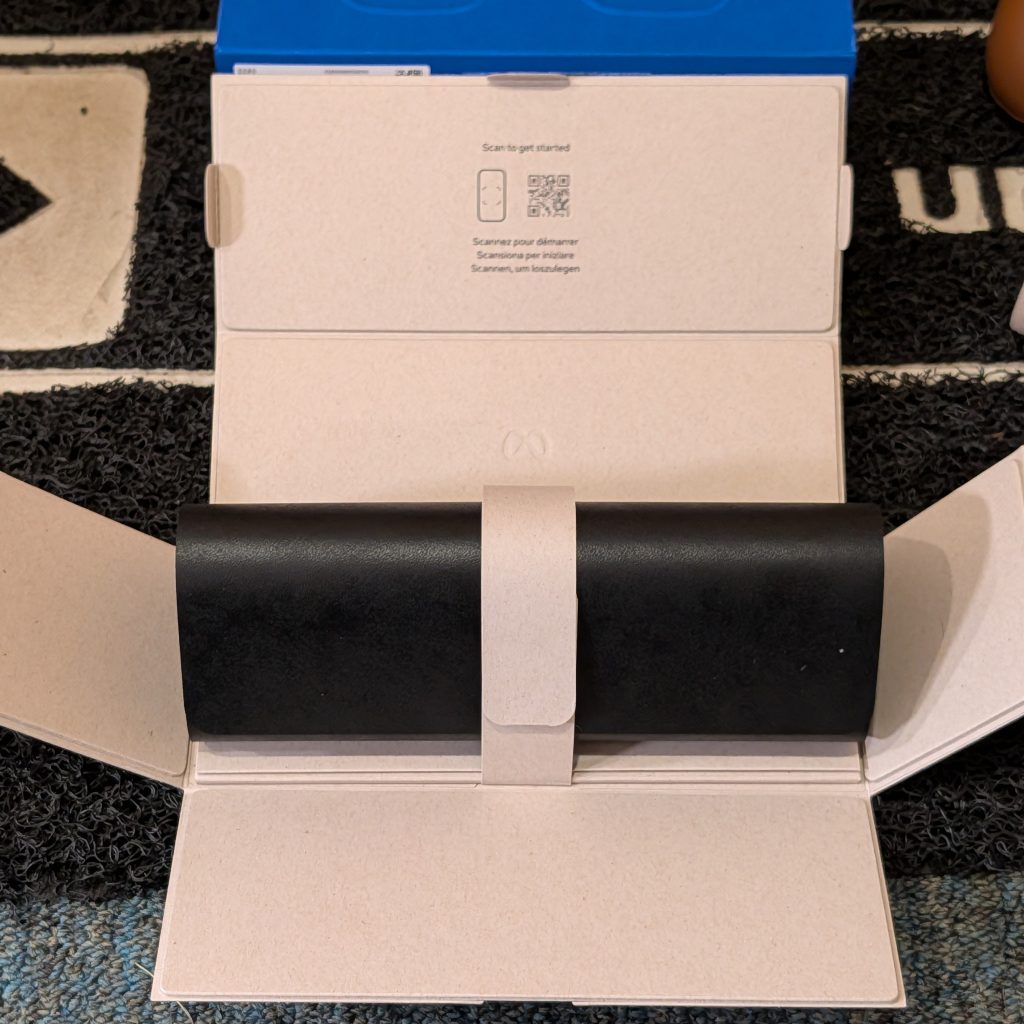
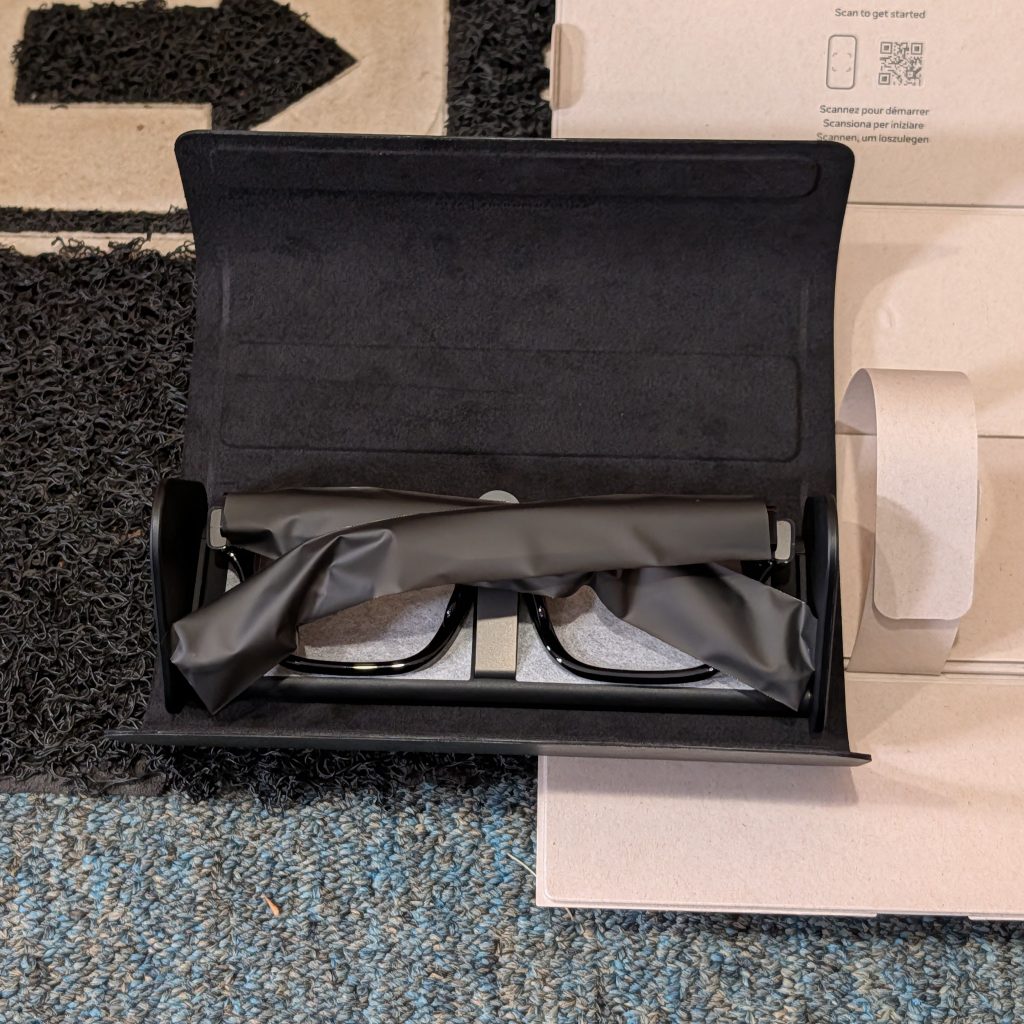
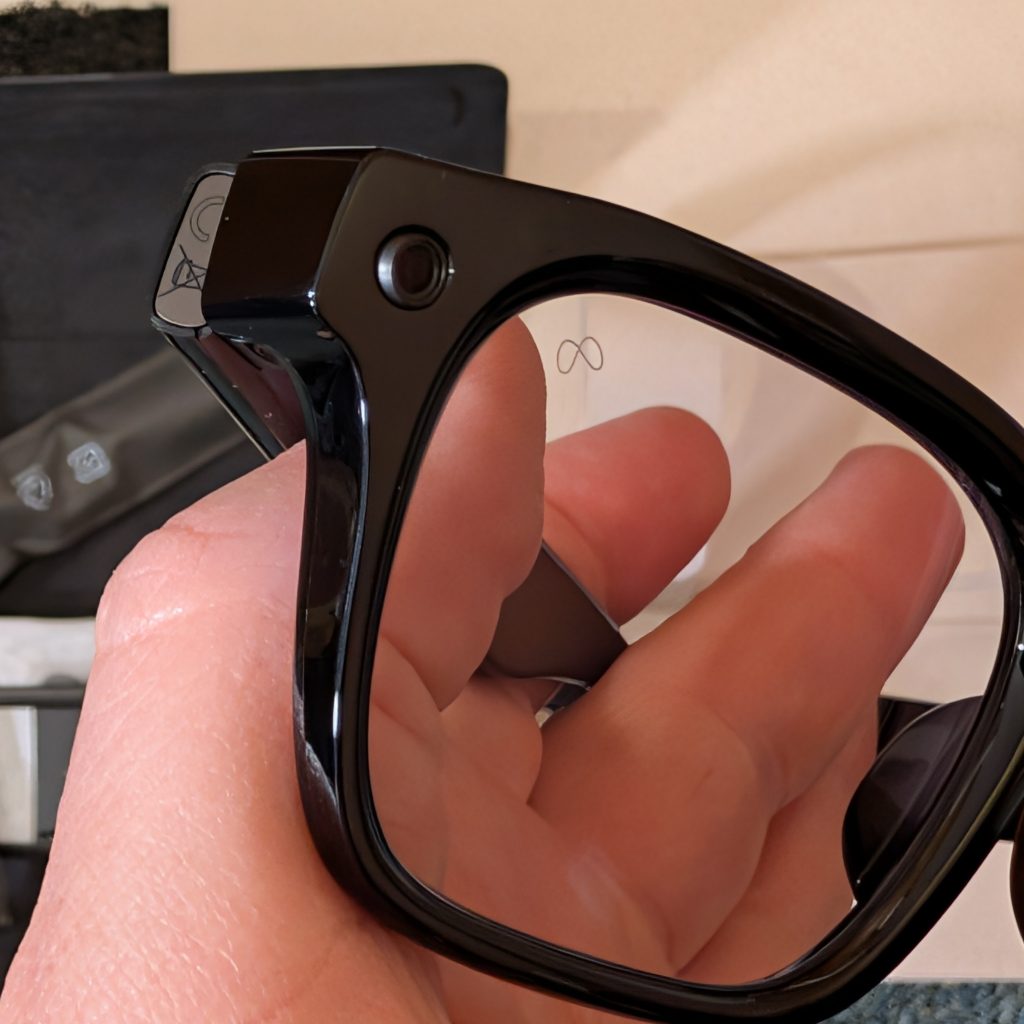
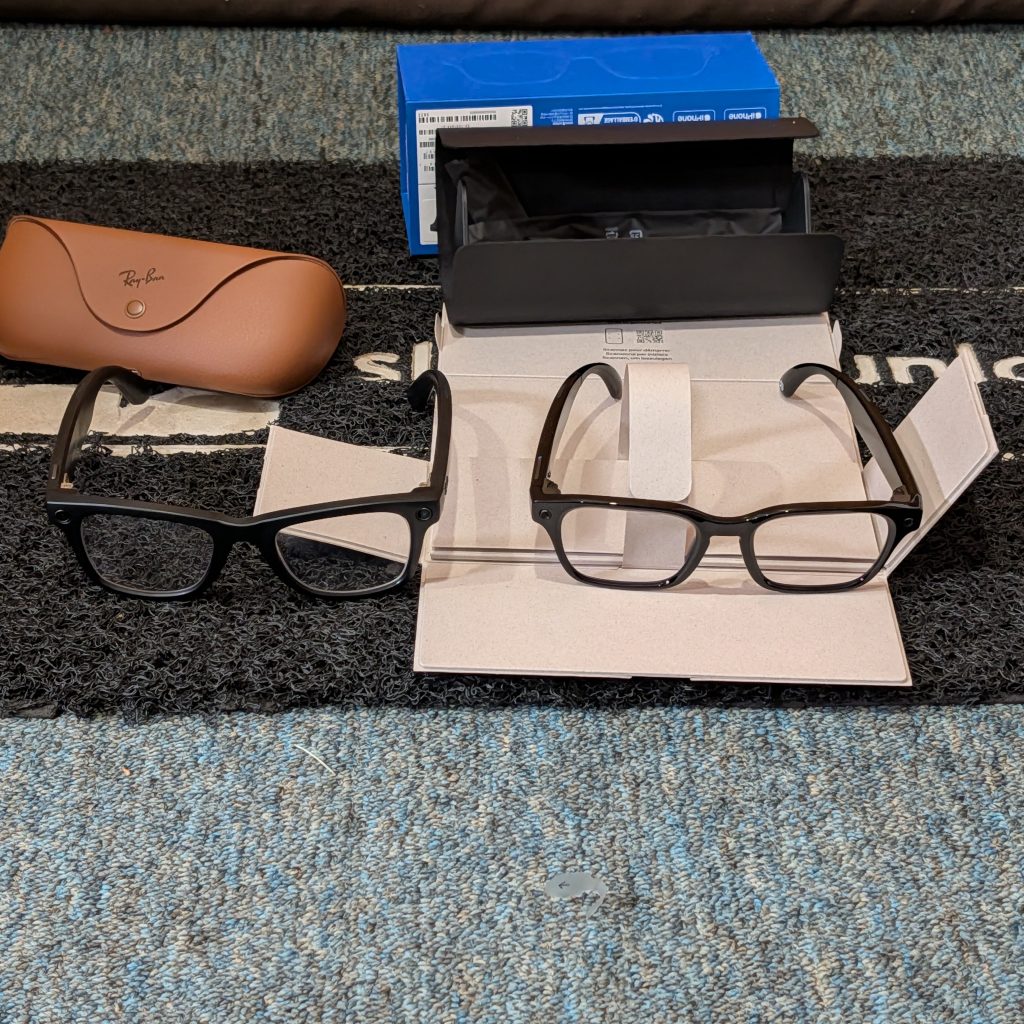


Disclosures: This article was written after attending Meta’s event in NYC and getting a Meta Adventurer review unit. It is based on a longer Techsponential analytical report which goes on to provide industry impact analysis and competitive recommendations. You can read the full report here. Devices View does not accept paid posts, does not participate in affiliate link programs, and Meta had no editorial control over this article. Meta is not a Techsponential advisory client.
*I have asked Meta for confirmation, but the Ray-Ban Meta smart glasses support both, as do the prescription-ready Ray-Ban Meta Optics, which have the widest lens support. Meta Ray-Ban Display are single prescription only – only young eyes need apply.