
Summary
The MacBook Neo is a good small laptop for general purpose computing, and an astonishing value. A MacBook that runs MacOS and MacOS apps at $599 is disruptive, finally hitting the price points that drive the volume segment of Windows PCs. Apple has reset the bar for how nice a budget laptop needs to be.
Is a Phone Chip Fast Enough for MacOS?
The MacBook Neo comes in two versions with a significant education discount: $599 for 256GB storage or $699 for 512 GB storage plus TouchID fingerprint reader on the power button. In both cases, anyone with an education email address can knock $100 off, putting the entry point for the MacBook Neo at just $500. One of the factors in getting the price down was using a mobile processor, the A18 Pro from the iPhone 16 Pro, rather than one of Apple’s M-series.
Apple Silicon is no joke: the A18 Pro in the MacBook Neo with 8 GB of RAM is as fast or faster than most sub-$1000 laptops for basic computing tasks. GeekBench 6 results bear this out,* with single-core CPU results averaging 3604 in my tests, 36% faster than a MacBook Air M2. Multi-core CPU and GPU performance lags the M2 but still matches some Intel Lunar Lake laptops on battery power. There are certainly more powerful processors out there – Apple sent over the new $1100 MacBook Air M5 as well – but consumers buying a $600 laptop aren’t looking at GeekBench and Cinebench scores, they want to know that it will be fast enough for writing, social media, web browsing, social media, light content creation, and cloud-based AI. It is. I have been using the MacBook Neo to research and write this report, and I have had no issues with Microsoft Word, Mail, Microsoft Outlook, a dozen open tabs in Safari (including YouTube, Amazon Music, and Google Gemini), Canva, and Photos. All at the same time.
There are limitations that are due to the 8 GB of RAM than the processor. MacOS has been optimized to deal with limited RAM – most M-series Macs started with 8 GB of RAM just two years ago. Still, the MacBook Neo wouldn’t be my first choice for AAA gaming, editing video, or compiling code even though it can actually do all of these things, as multiple YouTubers have demonstrated. In my limited tests so far I haven’t been able to fill the SSD and then leave 300 tabs open in Chrome, but that might be a scenario where the MacBook Neo’s memory paging might struggle. We’ll also have to see if it can handle on-device AI once Apple ships Gemini-based Apple Intelligence. But for the types of things that people buy $600 laptops to do, the MacBook Neo isn’t just acceptable, it’s great.
It Feels More “Small MacBook” than “Budget Laptop”
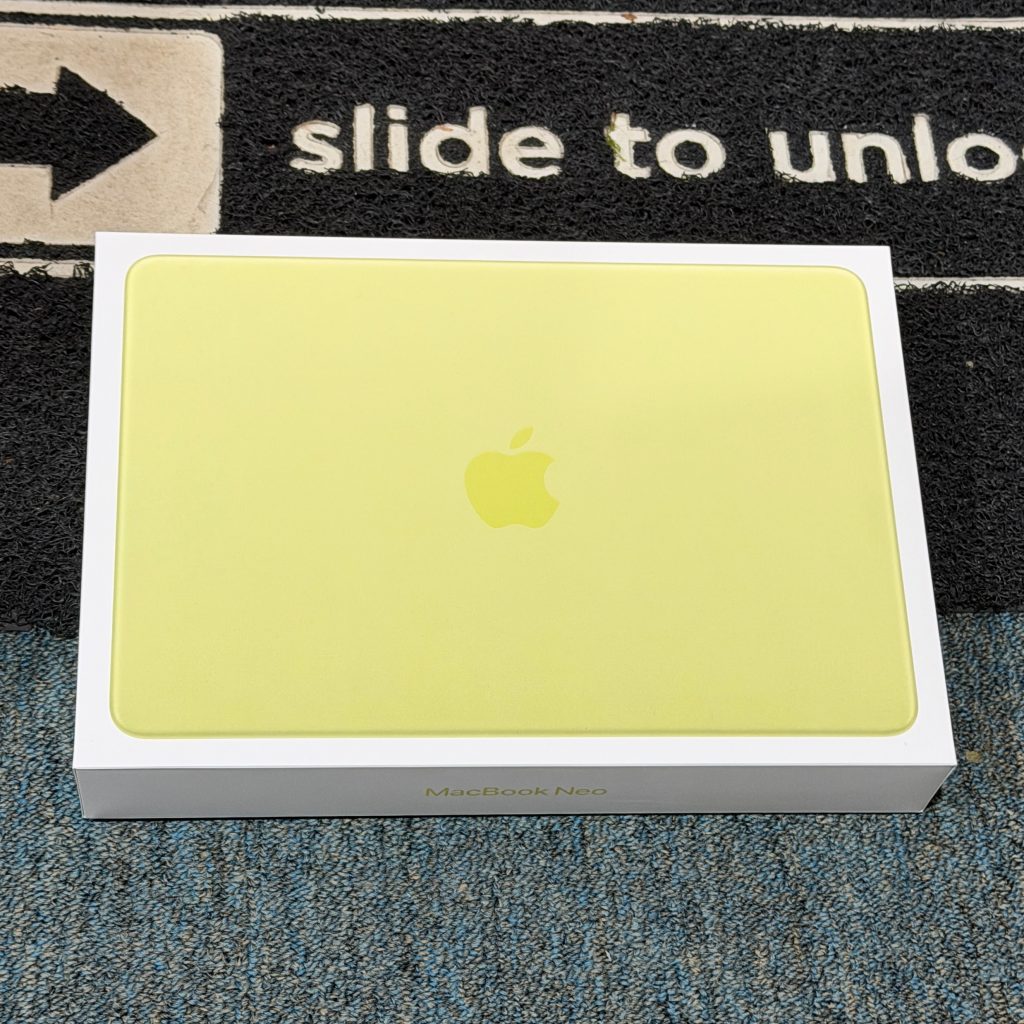
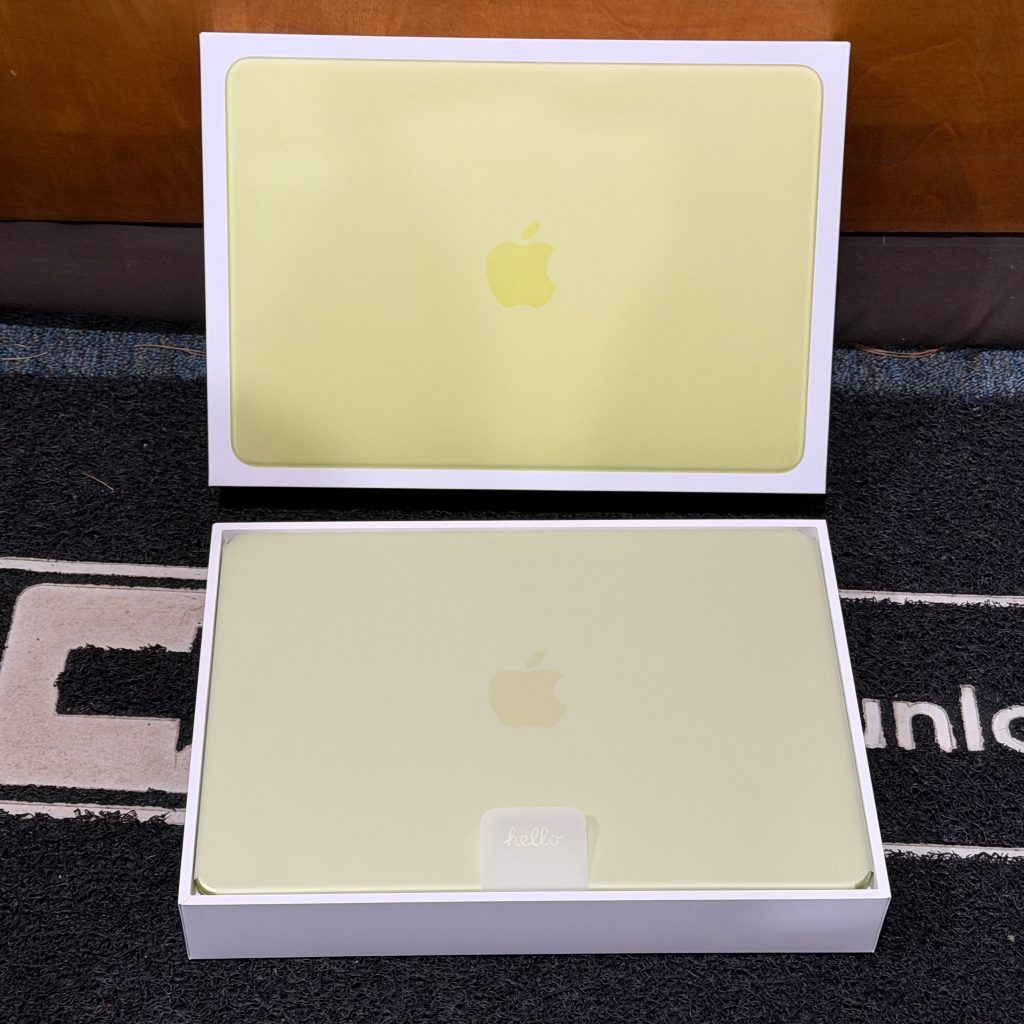
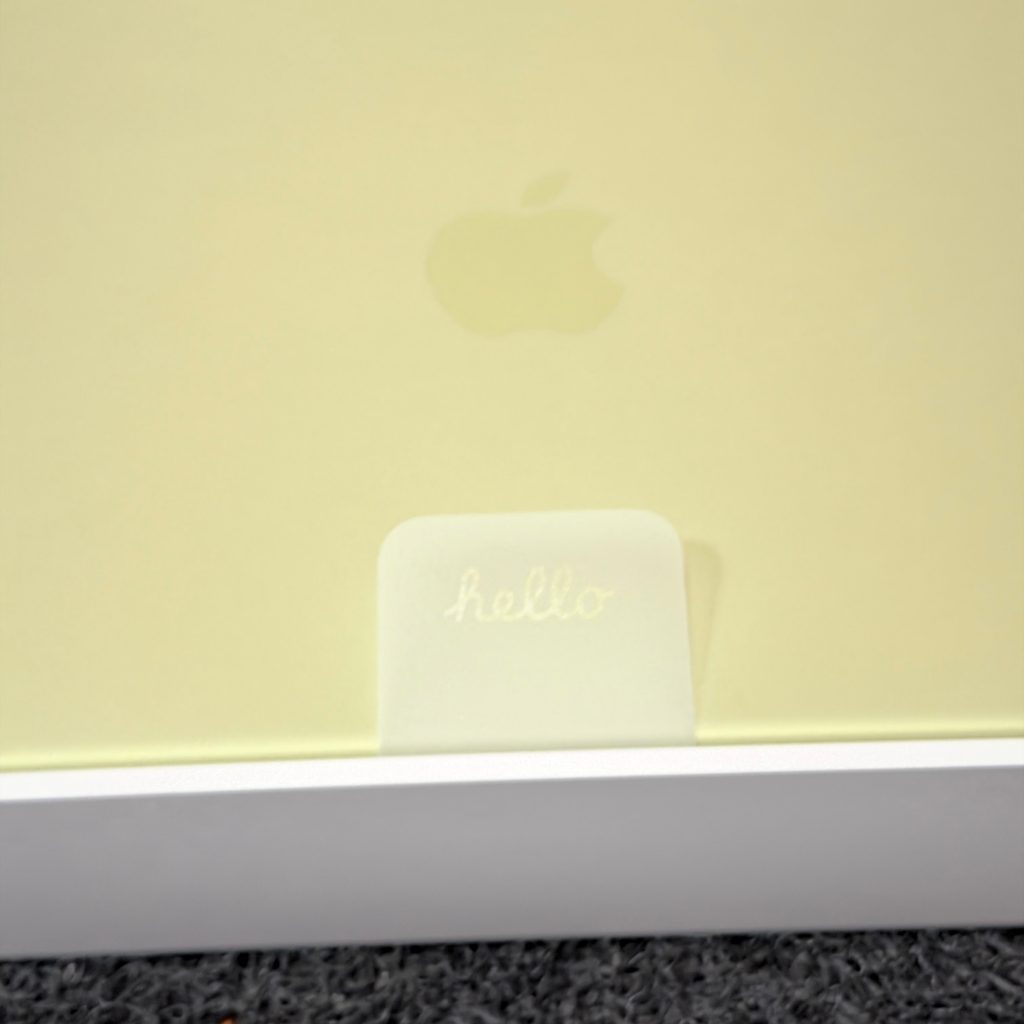
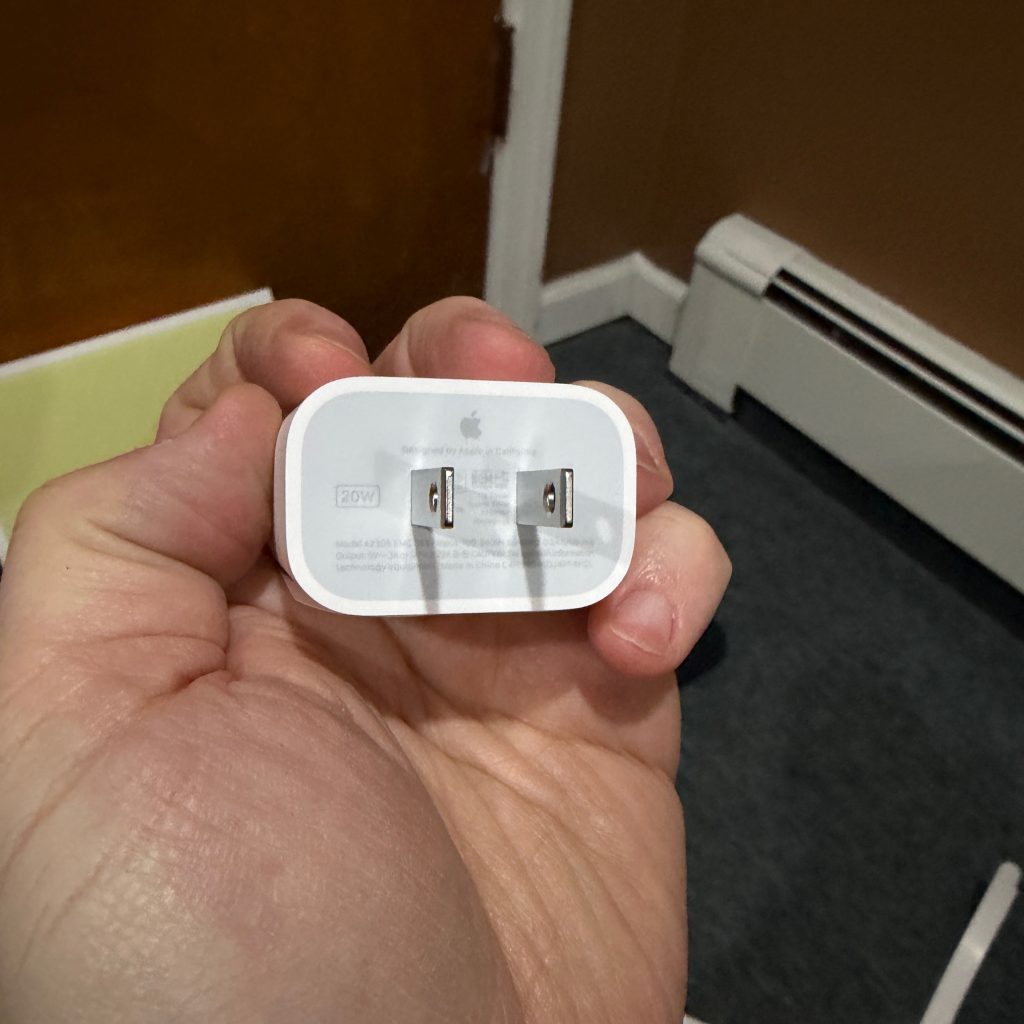
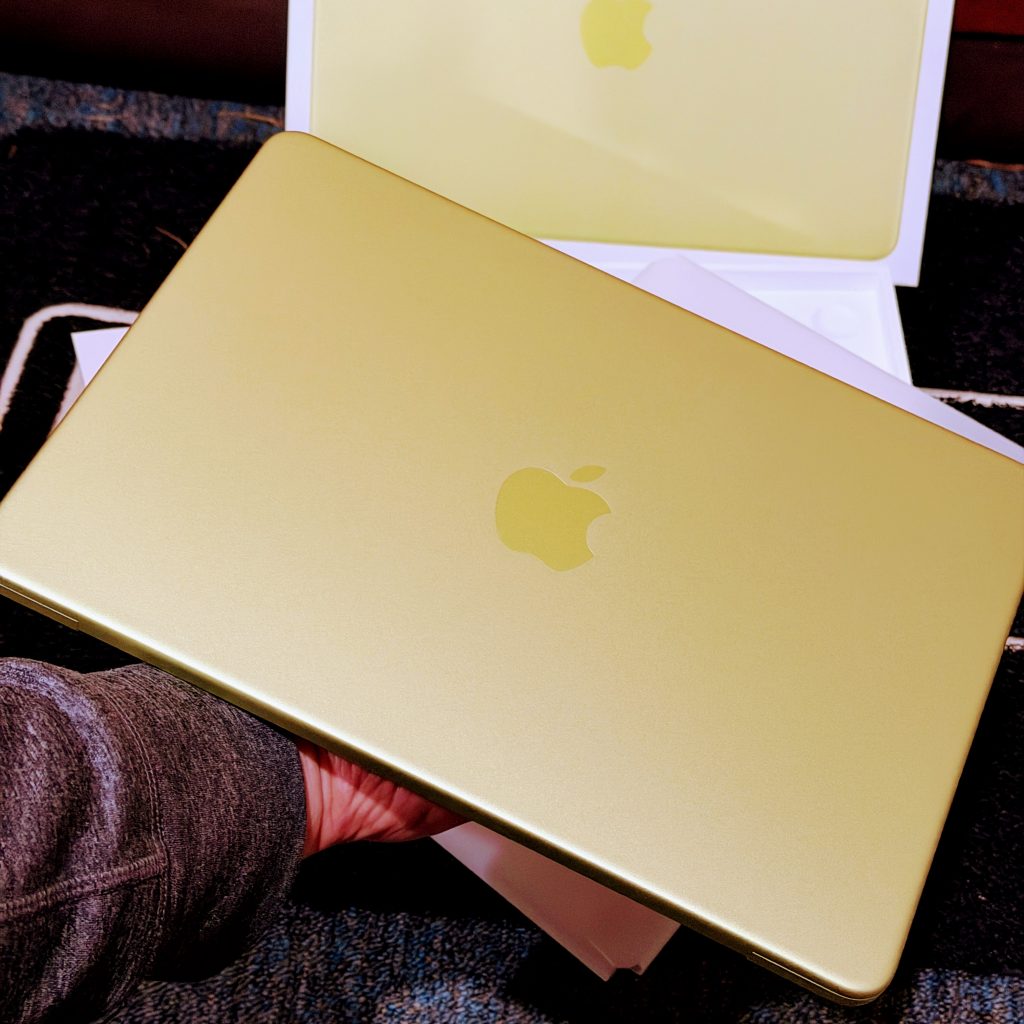
Unboxing the MacBook Neo is the first sign that this is a MacBook, not a budget laptop. The packaging is the same premium pressed cardboard and paper-based pull tabs as a $6000+ MacBook Pro M5 Max. The MacBook Neo uses the same aluminum unibody as its larger siblings and there is no flex in the case or display panel. It’s extremely thin and flat with rounded edges and weighs in at 2.73 lbs./1.23kg. A 20W charger and cloth-wrapped charging cable are included. It runs the same MacOS as other MacBooks and while Liquid Glass has its issues, the MacBook Neo comes with no bloatware, ads, or pop-ups.
The MacBook Neo fits into Apple’s software and services ecosystem — which many people are already using thanks to exposure to iPhones, iPads, AirPods, etc. When you start FaceTime for the first time it offers to use your iPhone’s camera instead of the included 1080p webcam. When I put in my AirPods Pro 3, audio immediately switched over to them, no pairing or setup required. The Apple ecosystem is a nice place to be.
Apple offers the MacBook Neo in four colors: Silver, Blush (pink), Citrus (greenish/yellow), and Indigo. Apple is doing a subtle thing with its colors: “serious” devices get monochromatic tones, while more accessible products get color. I don’t personally like this — I’d love a (Product) Red MacBook Pro M5 Max, and Motorola has shown that you can sell premium smartphones with actual color — but Apple’s strategy is deliberate and it’s working. Apple sent me the Citrus variant. The chassis color shifts a bit depending on the light and looks like a cheerful lime, while the keycaps are a color-matched light yellow/beige. Unlike the more expensive iMac, the MacBook Neo’s power supply and cable are not color matched; Apple needed to keep costs down somewhere.
The screen is sharp and bright getting up to 500 nits. It is reflective with good color saturation off axis. I kept the brightness slider just under the mid-point in my well-lit office and at the local pizza store I use for testing devices, soliciting feedback, and getting lunch. At just 13” in a 16:10 layout, the display is on the small size (older users will want to go into Accessibility and bump up the font size a notch). There are stereo speakers on the sides of the chassis that play clean and loud enough for nearfield listening. Instrument separation for music is fair. Upper bass is present and not overly distorted. This is not a MacBook Pro 16 with six speakers, rich tones, and useful mid-bass, but the MacBook Neo’s speakers will do a credible job for YouTube, TikTok, and Zoom if you don’t want to use Bluetooth or the 3.5mm headphone jack. There are a pair of microphones that sound shockingly good in a quiet room, adding just a hint of warmth and a minimum of distortion.
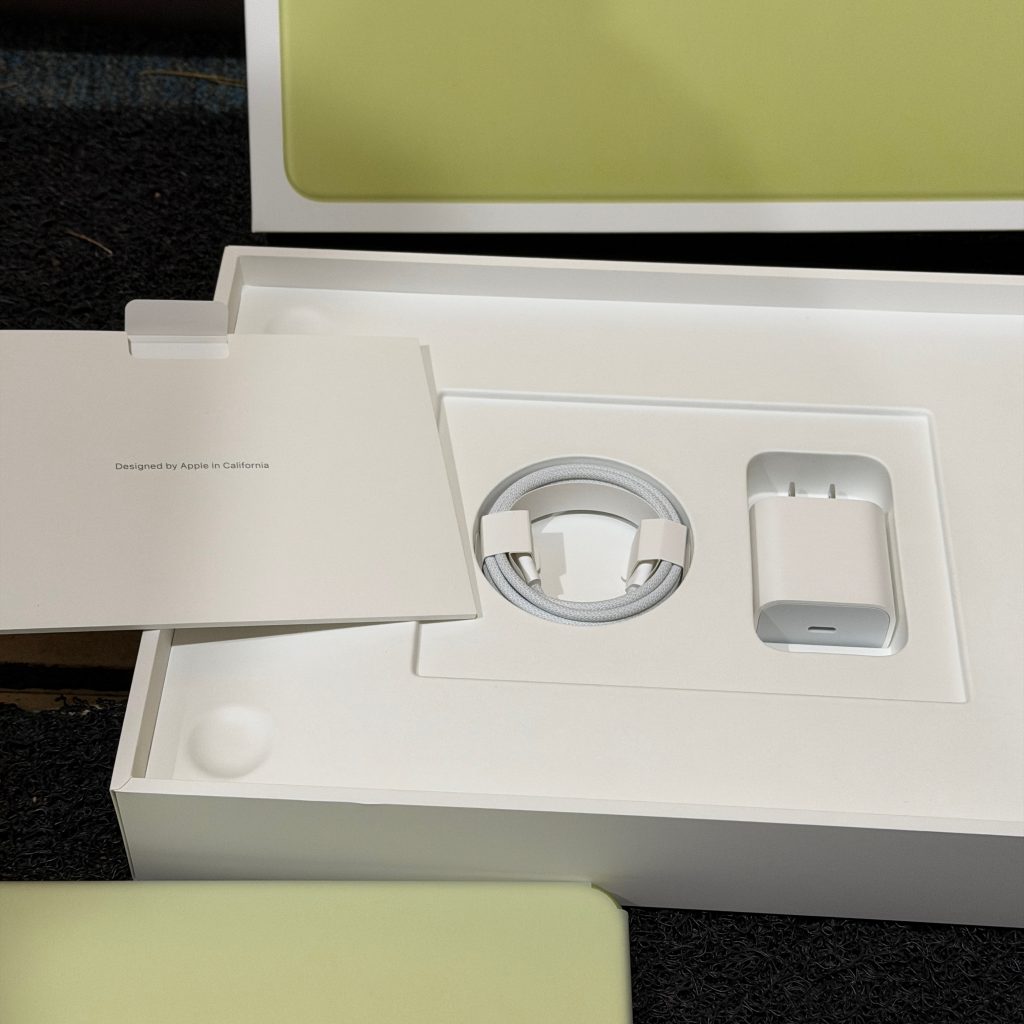
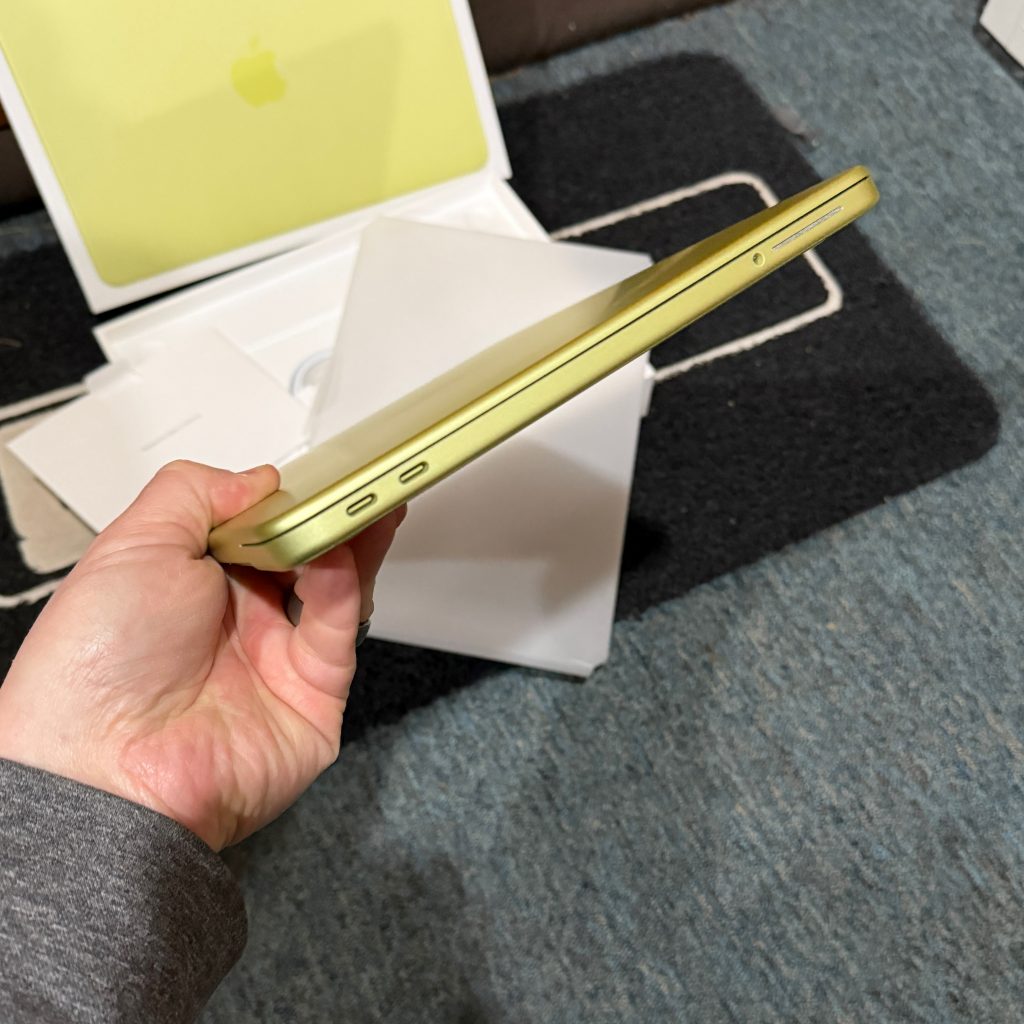
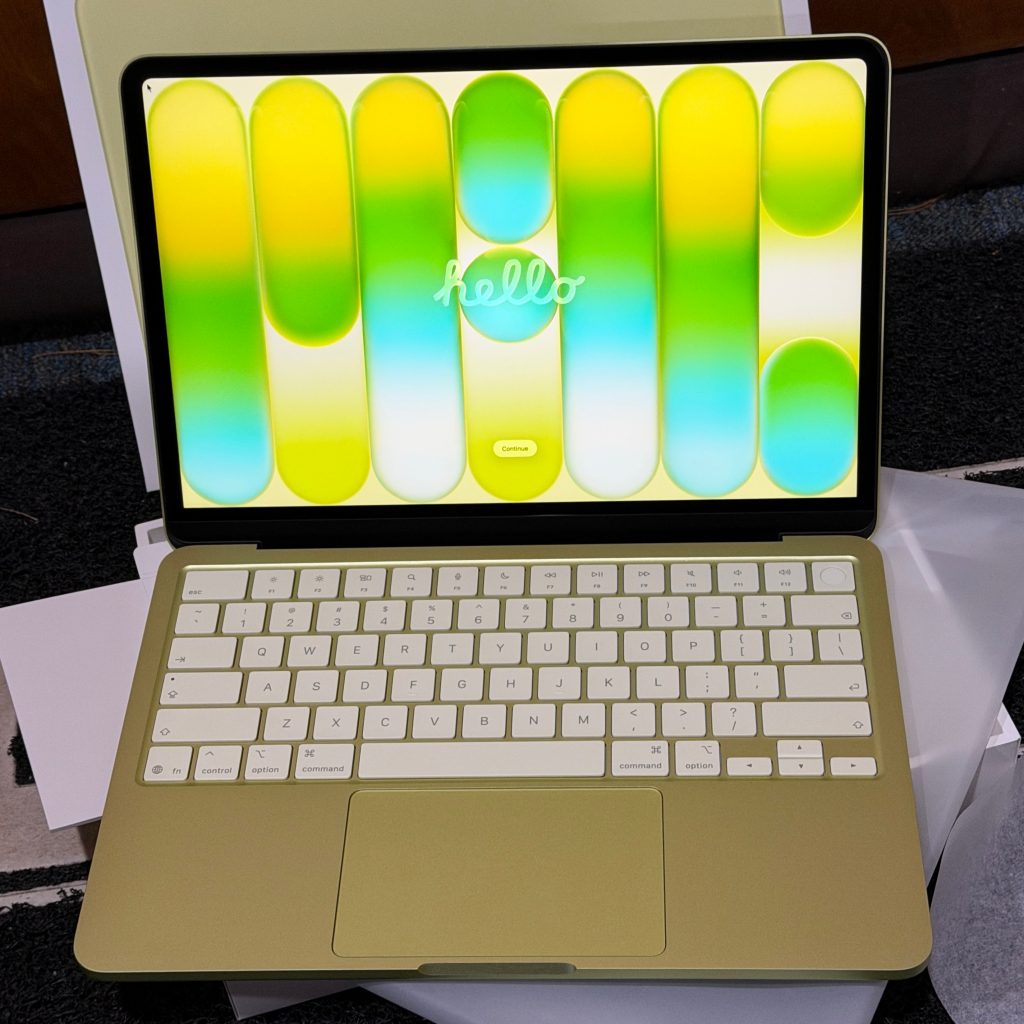
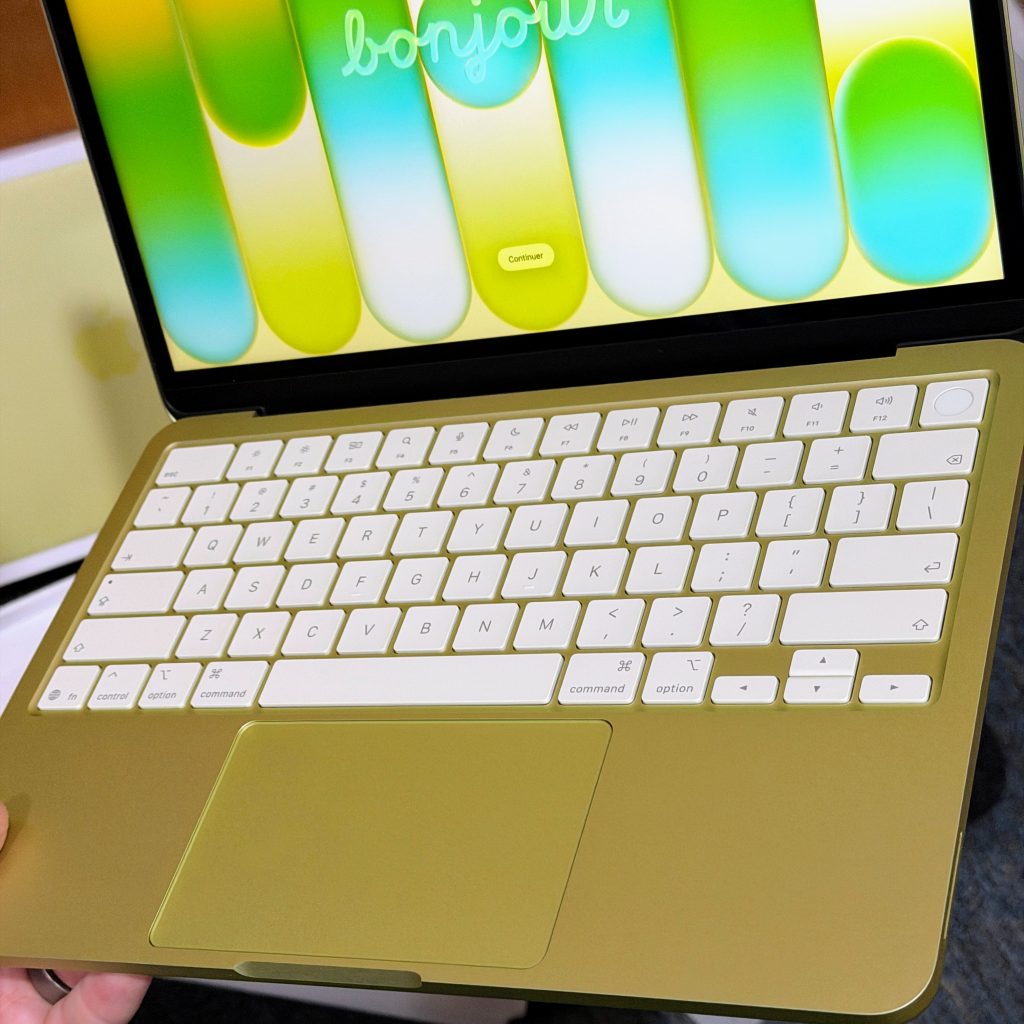
Apple certainly cut some corners to hit its price, but the choices are well considered, and average consumers shouldn’t mind much. There are only two USB-C ports and only one is USB 3.0, the touchpad physically clicks, and the keyboard lacks backlighting – a quality-of-life feature that consumers are likely to miss the most. You also have to plug the USB charging cable all the way in and try not to trip over it; MagSafe is not here. (MagSafe isn’t on any competing Windows or Chromebook, either.) TouchID is only available on the 512 GB version for $100 more; this may be a net positive for some families and educational environments where laptops are passed around to multiple users, but for individuals it’s an upcharge. Apple also saved money by using a 36.5Wh battery – the MacBook Neo isn’t heavy, but I’m not sure why it weighs as much as it does given the lack of a cooling system and how small the battery is. However, the A18 Pro and small LCD display sip power; in my first charge cycle I got around 10 hours of mixed use. This is not Apple’s longest-lasting laptop, but more than enough for a full day on campus or in coffee shops away from a power supply.
About the only thing that the MacBook Neo really lacks is size; if you want a larger MacOS laptop, you’ll have to step way up in price to the $1300 MacBook Air M5 15″ — or buy a used or refurbished older model. The MacBook Air M5 is in a different category in terms of performance, not just size options, but the gap in Apple’s price/size ladder is real. As long as your computing needs are not extreme and you don’t mind a 13″ display, there isn’t a nicer laptop on the market at or even near the MacBook Neo’s price.
Disclosures: This review was written after several days testing a MacBook Neo provided by Apple. It is part of a larger Techsponential analytical report which goes on to provide industry impact analysis and competitive recommendations. You can read the full report here. Devices View does not accept paid posts, does not participate in affiliate link programs, and Apple had no editorial control over this article. Apple is not a Techsponential advisory client.